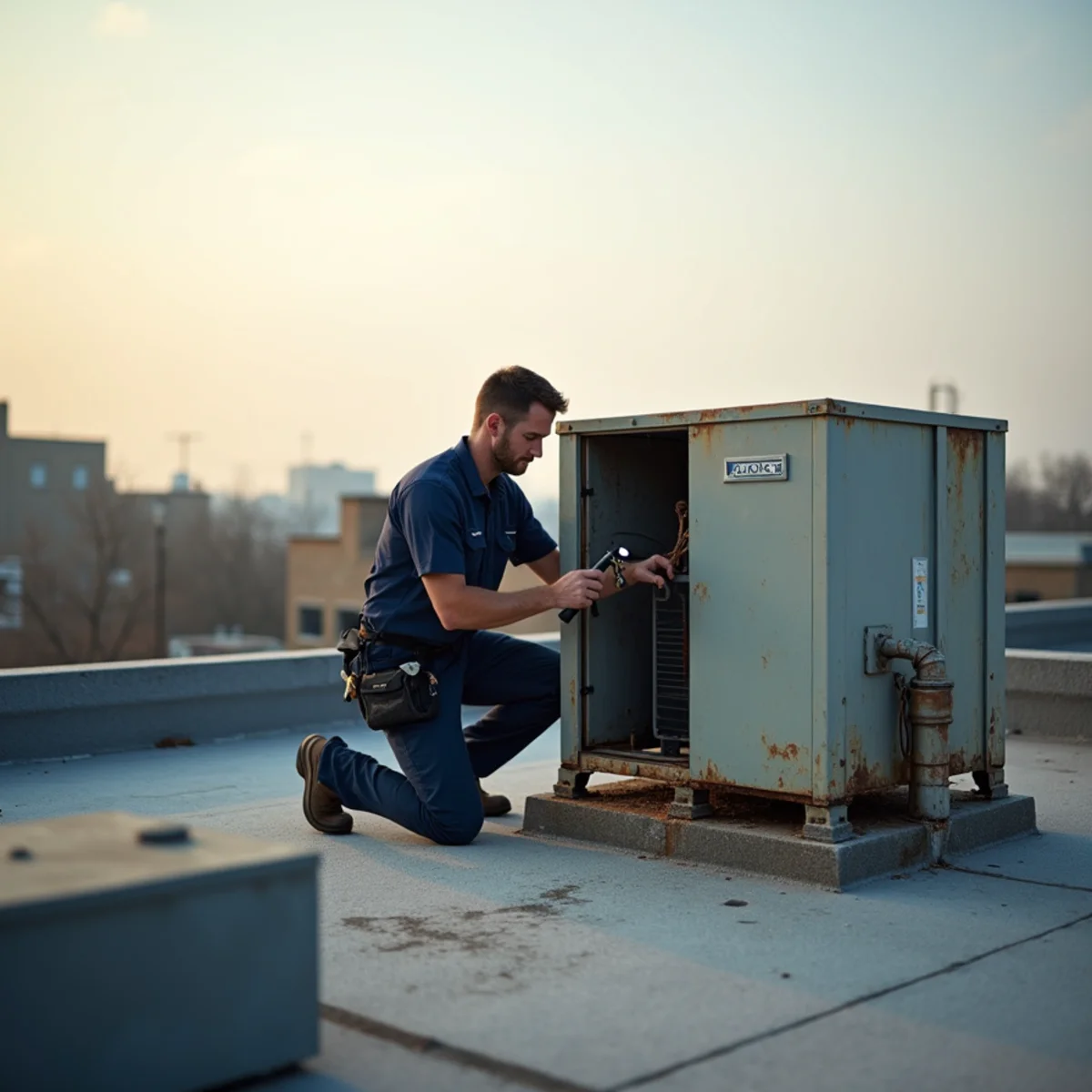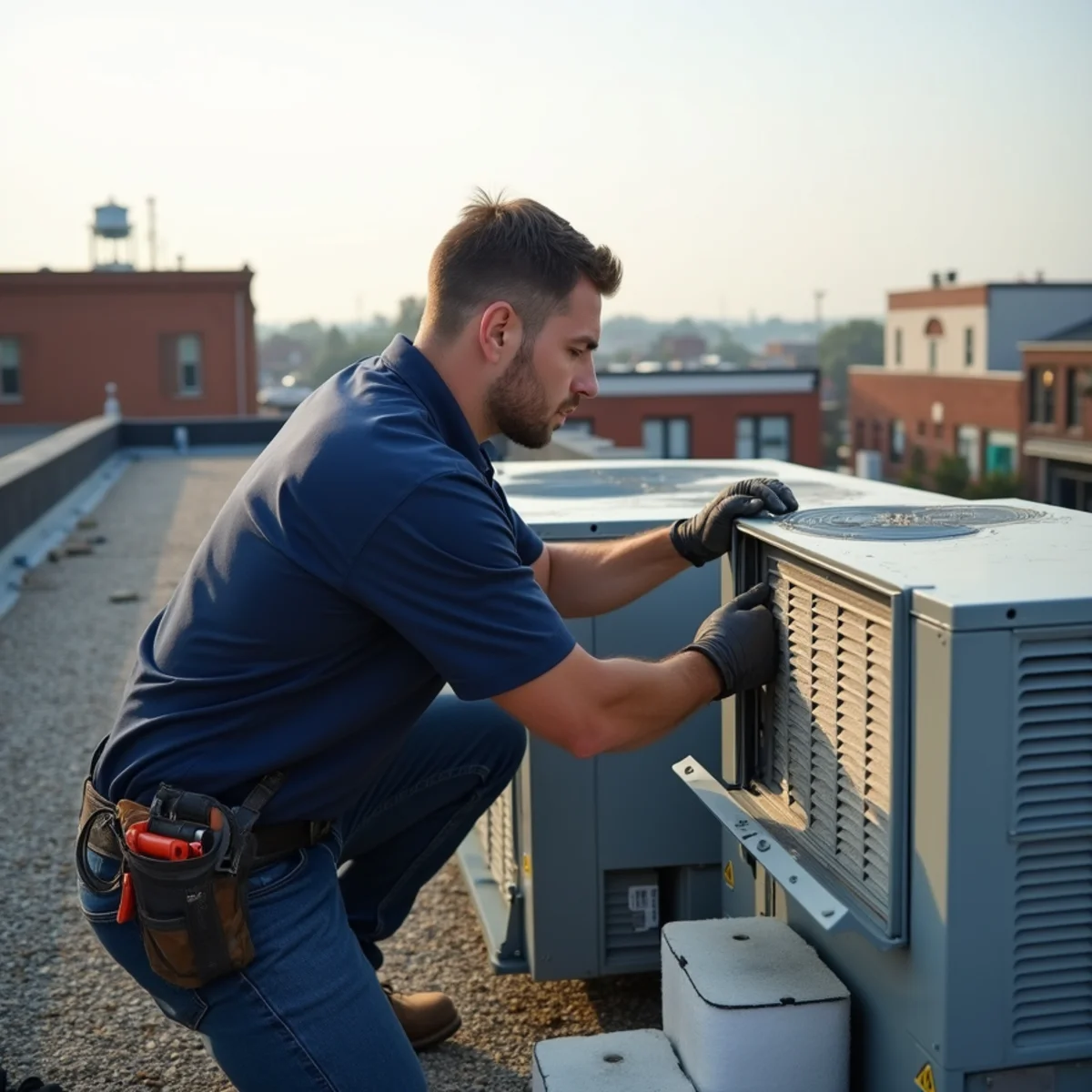
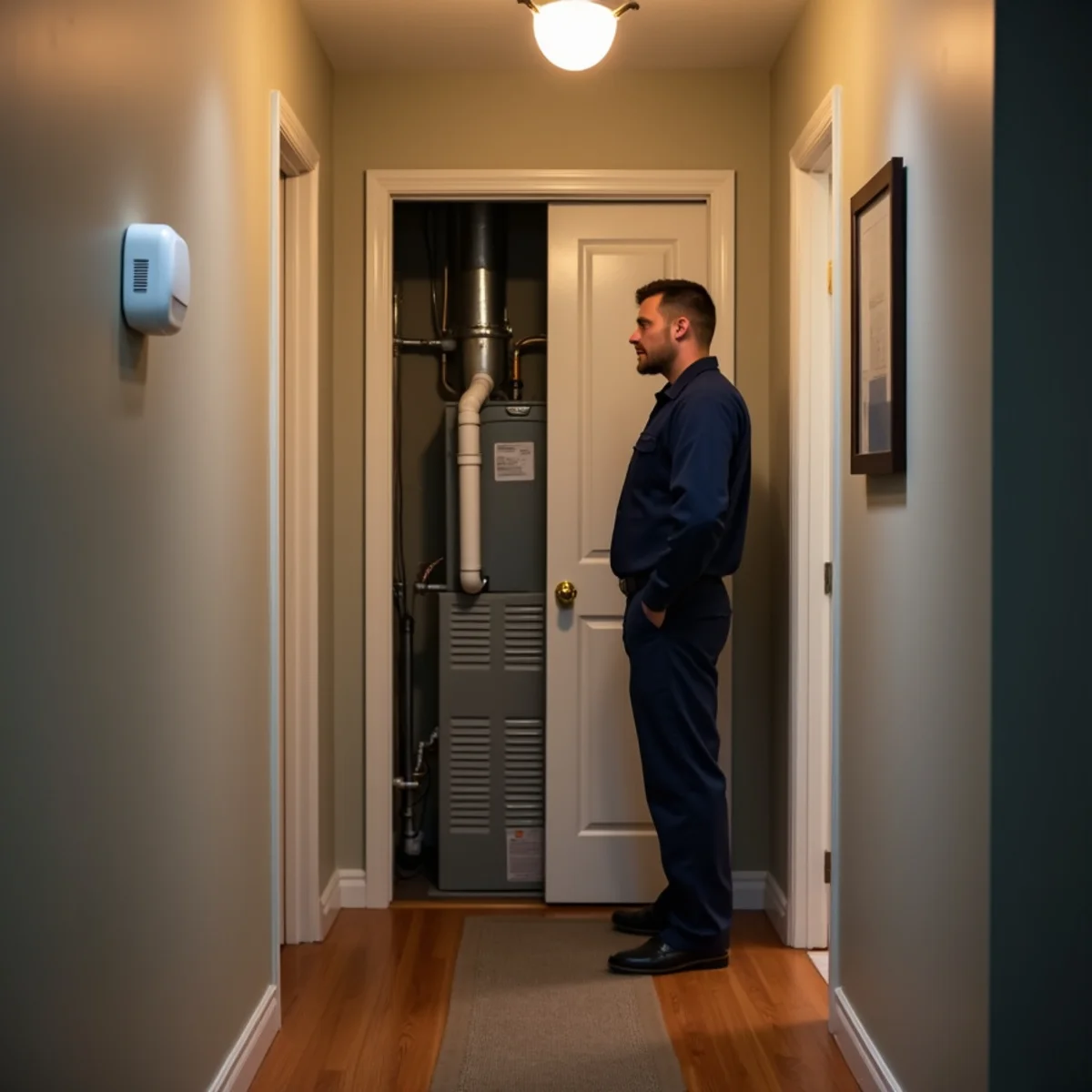
Short answer: An HVAC problem is an emergency when it threatens safety or causes damage by the hour: a gas smell, a carbon monoxide alarm, burning or electrical odors, a breaker that keeps tripping, water spreading near equipment, loud banging or grinding, or no heat or cooling in extreme weather with vulnerable people home. Shut the system off and call.
A lot of calls start with the same question: is this something that needs attention today, or can it wait until next week? It's a fair question. Not every rattle is an emergency, and we'd rather tell you honestly that something can wait than rush out and charge you for it.
But some symptoms point to safety risks or damage that gets worse by the hour. Here are the seven we tell people never to sit on.
The 7 Signs
1. You Smell Gas

Natural gas has an added odor that smells like rotten eggs or sulfur. If you smell it near the furnace, water heater, or anywhere in the house, leave immediately. Don't turn lights on or off, don't use the thermostat, and don't start a car in an attached garage. Call your gas utility or 911 from outside. Once the gas company has cleared the house, call us to find and fix the source at the furnace.
2. Your Carbon Monoxide Alarm Goes Off
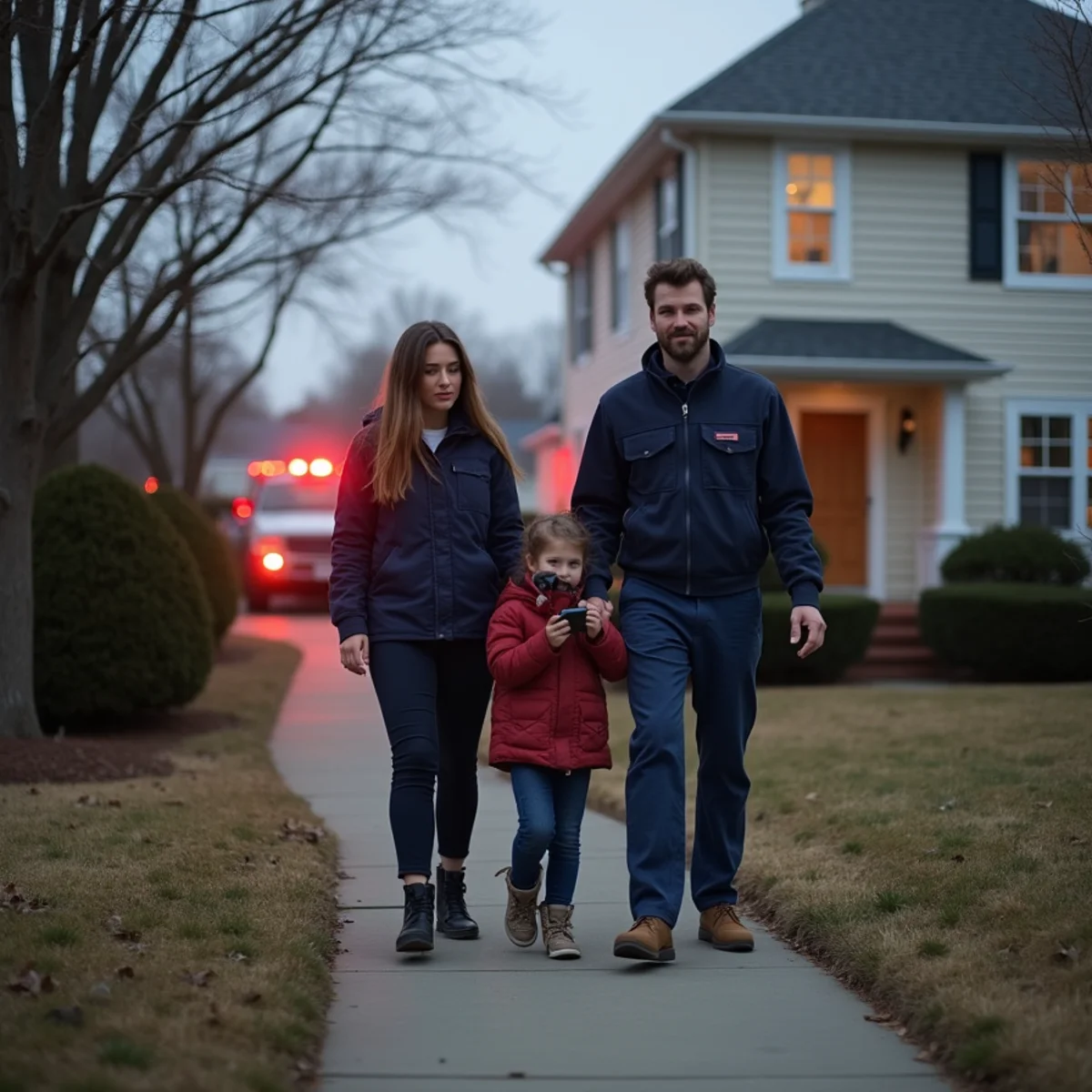
A cracked heat exchanger, blocked flue, or backdrafting furnace can push carbon monoxide into the house. Treat every CO alarm as real. Get everyone outside, call 911, and don't go back in until responders say it's safe. Headaches, dizziness, or nausea that ease when you leave the house are a warning sign even without an alarm.
3. Burning or Electrical Smells
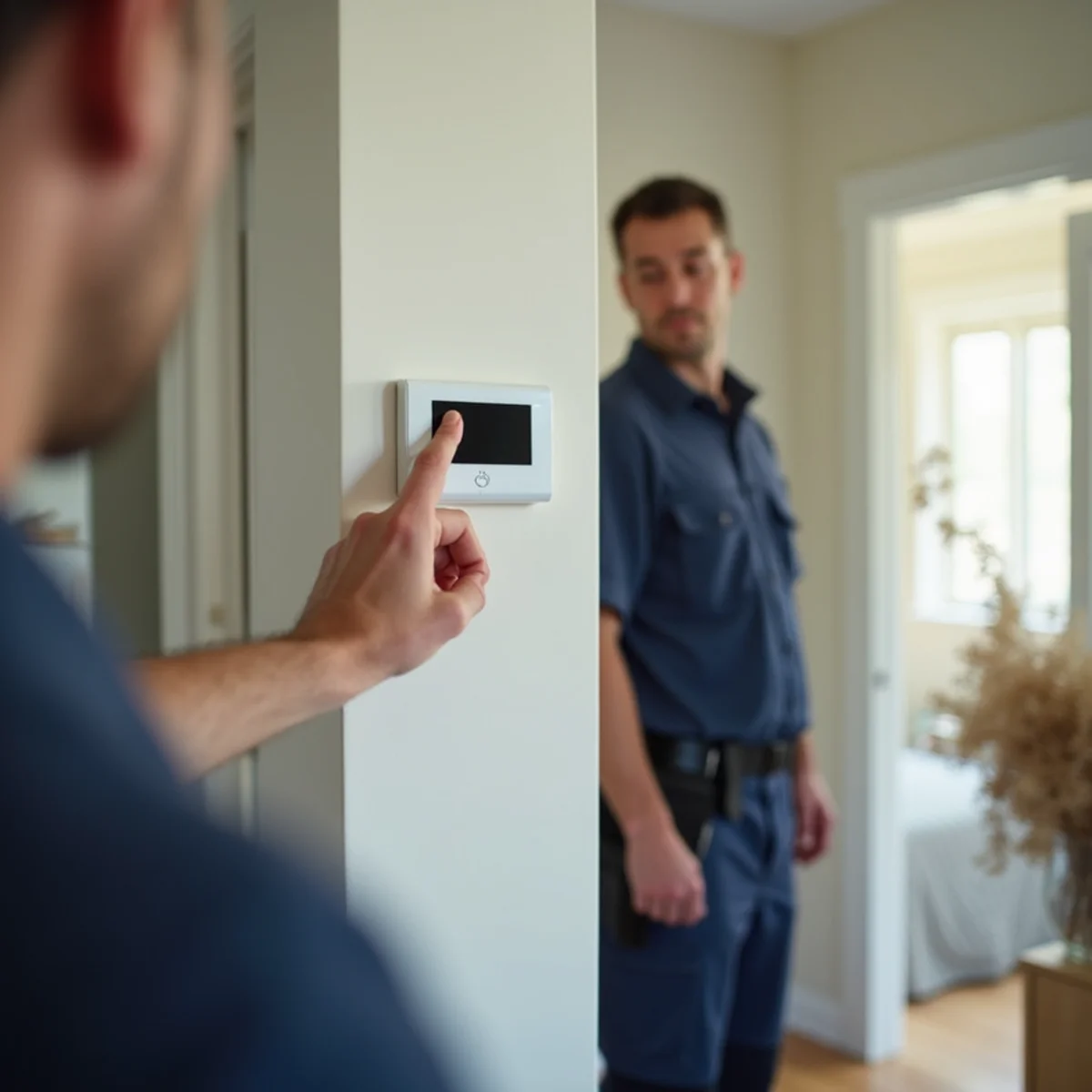
A dusty smell the first time you run the heat in fall is normal and fades within an hour. A sharp smell of melting plastic, hot wiring, or smoke is not. Shut the system off at the thermostat and the breaker. Common causes include an overheating blower motor, a failing capacitor, or wiring that has been rubbing against sheet metal.
4. A Breaker That Keeps Tripping
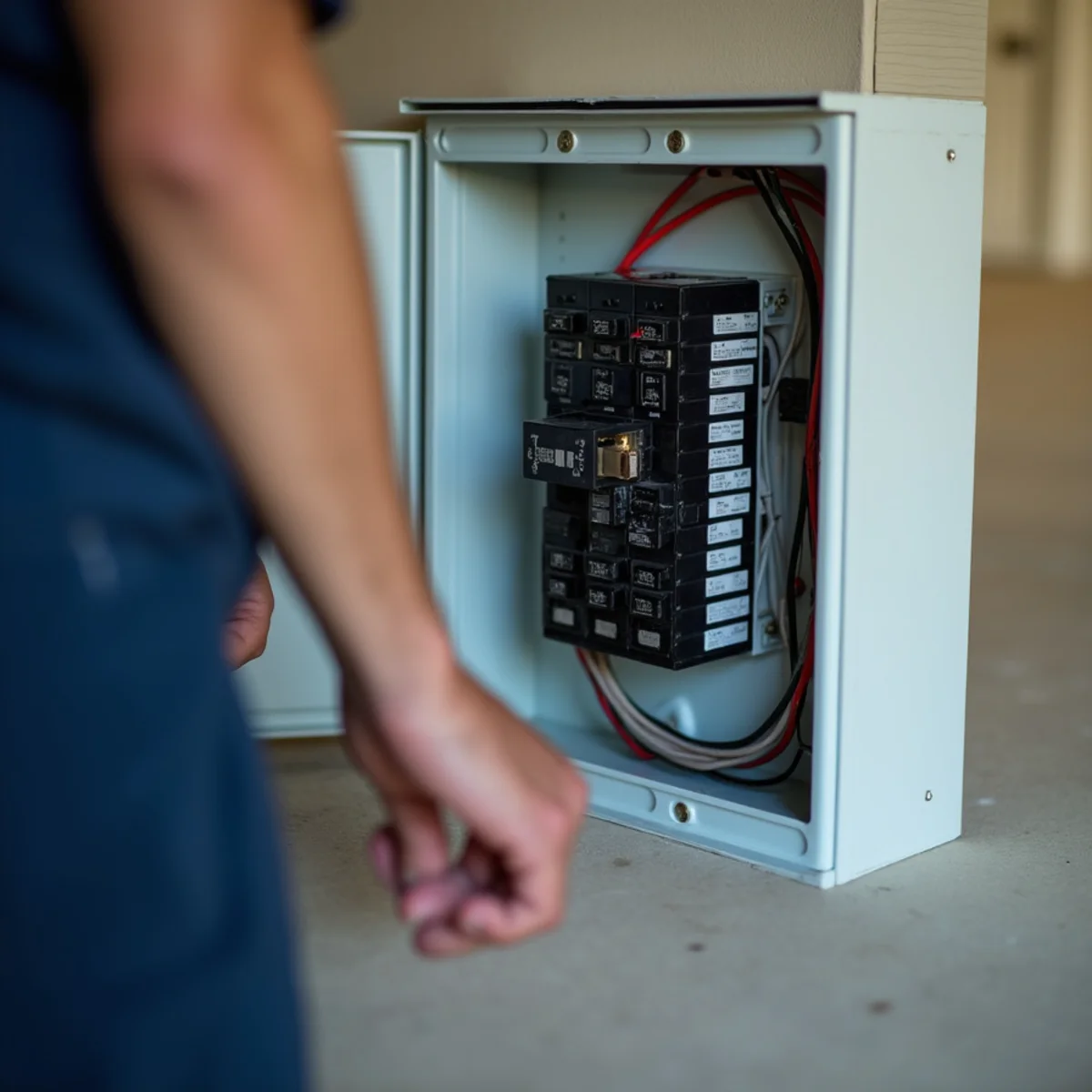
Breakers trip to protect your wiring. One trip can be a fluke. If the AC, heat pump, or furnace breaker trips again after you reset it, something is pulling too much current: a shorted compressor, a grounded motor, or a failing component. Leave it off.
5. No Heat or No Cooling in Extreme Weather
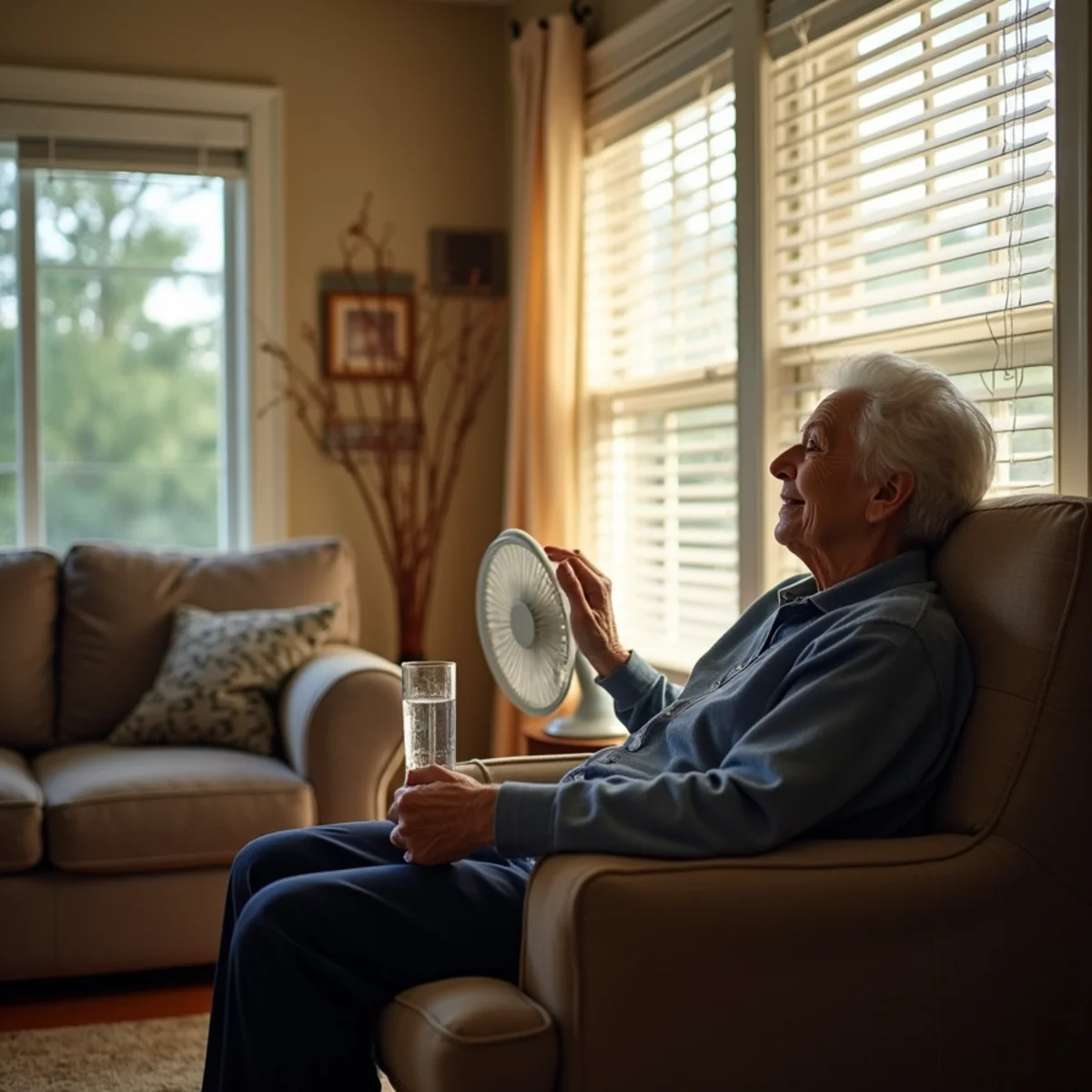
A system failure in April is an inconvenience. The same failure during a July heat wave or a January cold snap is a health risk, especially for infants, older adults, and anyone with medical conditions. When outdoor temperatures are extreme, a failed system is an emergency even if nothing is smoking.
6. Water Where It Shouldn't Be
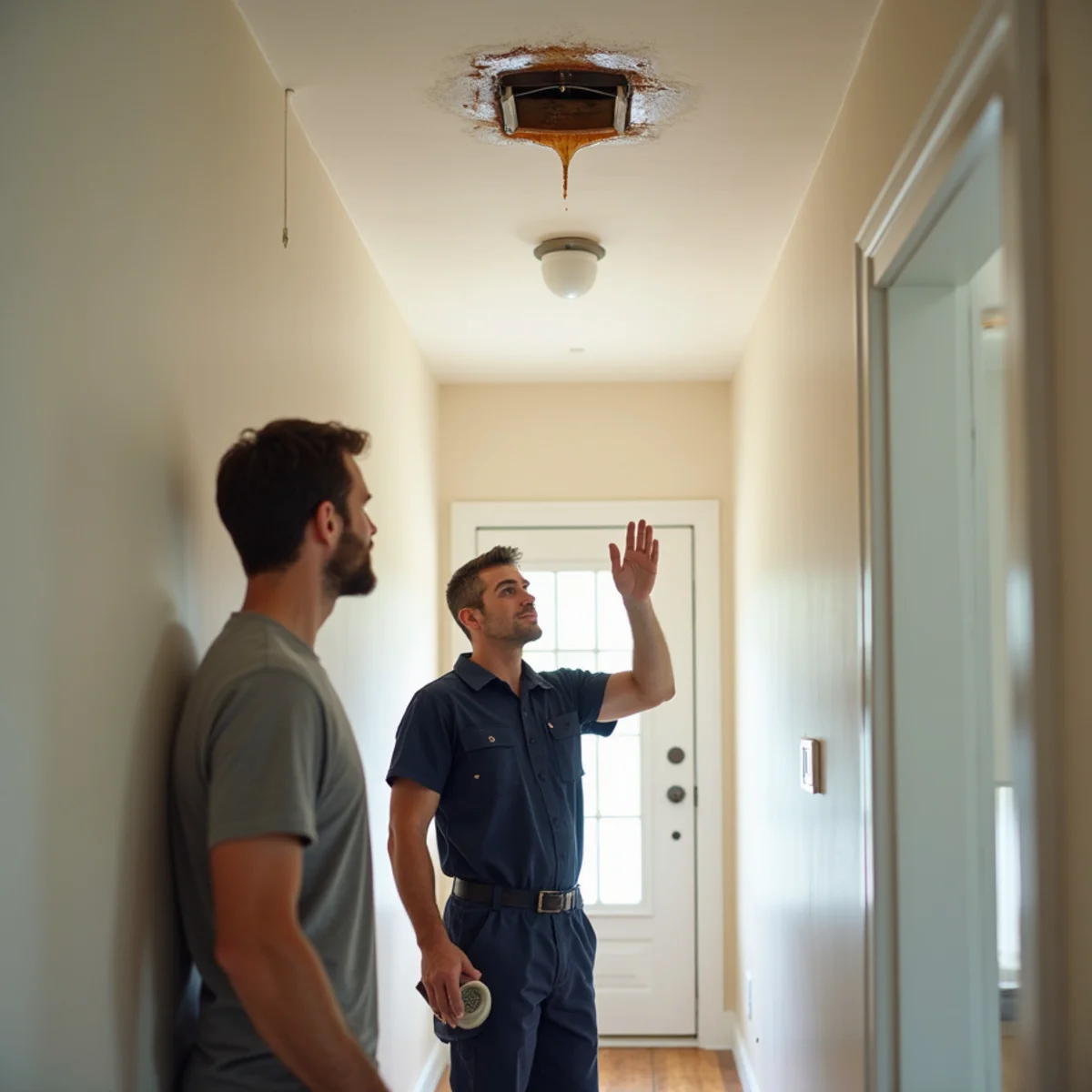
Air conditioners and high-efficiency furnaces produce a lot of condensate. When the drain clogs or the pan cracks, that water ends up in ceilings, subfloors, and crawlspaces. Water near electrical components is a shock hazard, and a slow leak in an attic can ruin drywall in a day. Shut the system off and call.
7. Loud Banging, Grinding, or Screeching
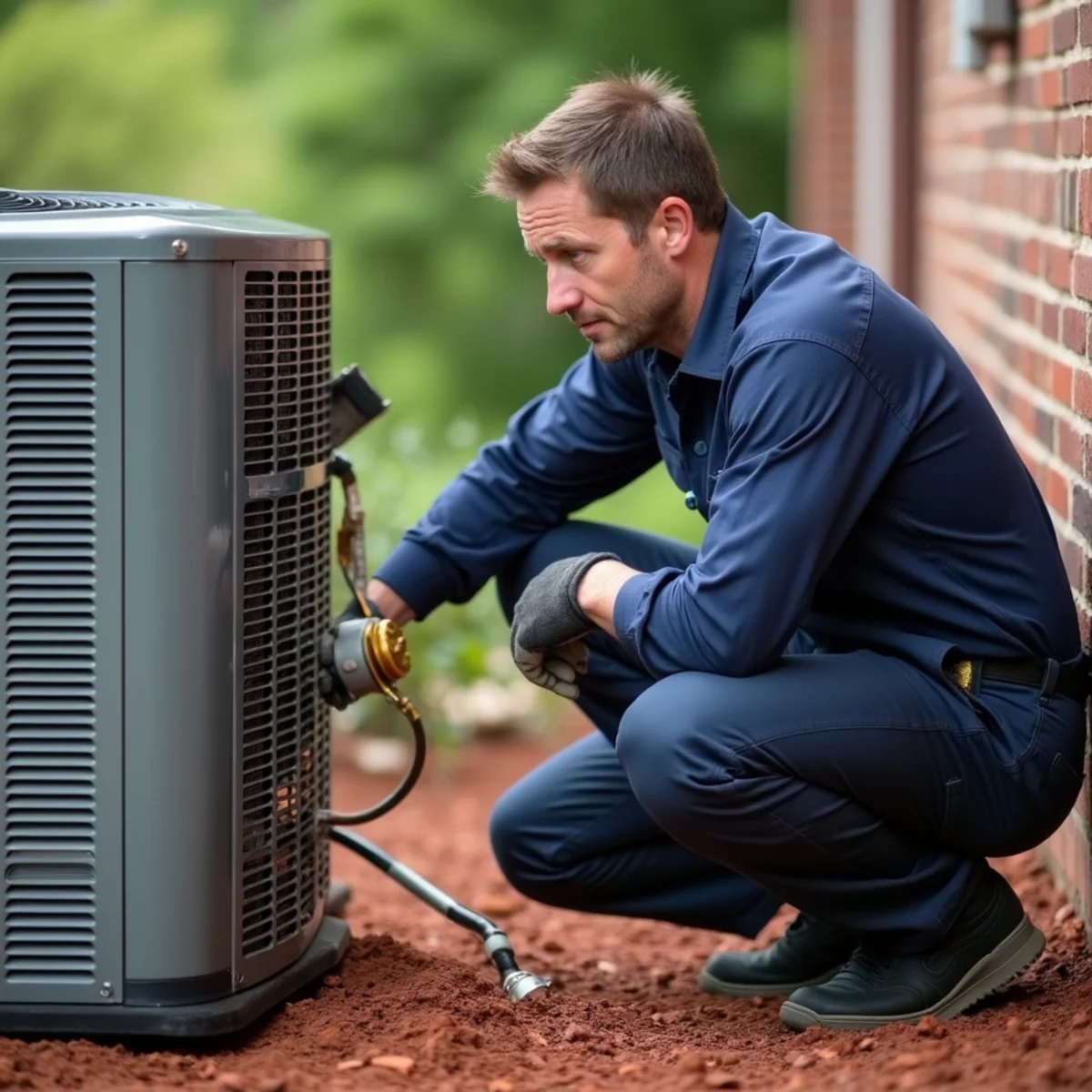
A loud bang when the furnace lights can mean delayed ignition, where gas builds up before it catches. Grinding points to failing motor bearings. A high screech from the outdoor unit can mean a compressor under severe strain. Running the system with these noises often turns a repair into a replacement.
Emergency or Next-Day Call? A Quick Guide
| Symptom | Urgency | What to do right now |
|---|---|---|
| Gas smell | Leave the house now | Call gas utility or 911 from outside |
| CO alarm sounding | Leave the house now | Call 911, get fresh air |
| Burning or electrical smell | Same day | Shut off at thermostat and breaker |
| Breaker trips repeatedly | Same day | Leave breaker off |
| No heat or AC in extreme weather | Same day | Protect vulnerable family members |
| Water leaking from unit | Same day | Shut off system, contain water |
| Uneven rooms, slightly higher bills | Can wait for an appointment | Change filter, schedule a visit |
What Isn't Usually an Emergency
We'd rather you call and ask than worry. Still, these problems can usually wait for a regular appointment:
- A system that runs but struggles a little on the hottest afternoons
- A thermostat that needs new batteries
- A slightly louder-than-normal fan with no burning smell
- A dirty filter (change it, and see if the problem goes away)
- One room that's always a few degrees warmer than the rest
What to Do While You Wait for a Technician
- Get people out of danger first, whether that means leaving the house or moving to a cooler or warmer room.
- Turn the system off at the thermostat, and at the breaker if you smelled burning or saw sparks.
- Take photos of the unit, any error codes, leaks, or damage.
- Note when the problem started and what you heard or smelled.
- Don't remove panels, reset safety switches repeatedly, or try to relight a furnace that has locked out.
Those details help us diagnose faster. Jesse calls ahead when he's on the way, so you'll know when to expect him.
Serving Gibsonville and the Surrounding Area
Gibsonville sits right on the line between Guilford and Alamance counties, and we're a short drive away. From the older homes near downtown to the newer subdivisions on the edges of town, our Gibsonville HVAC service includes same-day response on most calls.
HVAC emergencies: common myths, straight facts
Myth: Once the carbon monoxide alarm goes quiet, the danger is over.
Fact: Alarms reset when CO levels fall, and opening doors or leaving the house can drop them fast. The source hasn't gone anywhere. A cracked heat exchanger or blocked flue will fill the house again once the doors close and the furnace fires. Stay out until responders clear the home, and don't run the appliance until it's been inspected.
Myth: A locked-out furnace just needs its power switched off and back on.
Fact: Lockout is the control board refusing to keep trying after repeated failed ignitions or a tripped safety switch. Cycling power clears the lockout, not the cause. A tripped flame rollout switch can mean flames escaping the burner area, and repeated restart attempts can let unburned gas collect. One reset to read the fault code is reasonable; after that, call.
Myth: If you can't smell anything, there's no gas or CO problem.
Fact: Carbon monoxide has no odor at all, so only an alarm will catch it. Natural gas and propane are odorized, but a head cold, age or long exposure can dull your sense of smell. Propane odor can also fade in new tanks and lines. Working CO alarms, plus a combustible gas detector in propane homes, cover what your nose misses.
Myth: A little water around the furnace is just harmless condensation.
Fact: High-efficiency furnaces make condensate on purpose, but it should leave through a trap and drain tube, not collect on the floor. Water there means a cracked trap, a split hose or a blocked drain. Left alone, it can soak the control board, rust the cabinet and trip the pressure switch, shutting off the heat on the coldest night of the year.
Emergency calls in Gibsonville's older and newer homes
Gibsonville is about 15 minutes west of our base, past Elon, and we cover both the Guilford and Alamance sides of the county line. The emergencies we see there split along the same line the housing does.
Near the Minneola mill and downtown, houses from the late 1800s through the mid-1900s have been through several rounds of equipment. The risk we watch for there is venting. When an old furnace comes out, the water heater is sometimes left alone on an oversized masonry chimney, where it can spill exhaust back into the house. Any CO alarm in one of these homes deserves a venting check.
Toward Whitsett, the 1990s and 2000s subdivisions put air handlers in hot attics, and the urgent calls look different:
- A brown stain spreading across an upstairs ceiling after the main drain clogs and a rusted backup pan lets go
- A variable-speed blower that quits mid-cycle after a power surge damages its control module
- A heat pump stuck in defrost during a cold snap while the house keeps cooling off
Whichever side of town you're on, emergency HVAC service in Gibsonville runs around the clock, and Jesse calls ahead with a real arrival time.
From the field: what happens on an emergency call
Emergency calls start on the phone. Jesse asks what you smell, hear and see, and whether anyone in the house is at risk, because that decides whether you need a fire department first or an HVAC tech. A photo of the thermostat, the furnace door label or a blinking status light often tells him what to load on the truck before he leaves.
On a furnace safety call, the work is methodical: check for gas leaks at the valve and fittings, look at the flame and burners, inspect the heat exchanger for cracks or rust-through, and confirm the flue is drafting instead of spilling exhaust back into the room. If a furnace isn't safe to run, we shut the gas off to it and tell you why in plain words. We won't restart equipment we wouldn't run in our own house.
The honest trade-off at 11 p.m.
Supply houses are closed at night. Capacitors, contactors, igniters, flame sensors and fuses ride on the truck; a specific control board or blower motor usually doesn't. Sometimes the right emergency fix is making the house safe tonight and finishing the repair first thing in the morning. We'll tell you that up front rather than rig something that fails again.
Many "emergencies" also show early warning signs weeks ahead: a yellow, lazy burner flame, soot around the furnace door, or a system that short-cycles. A fall furnace safety check and tune-up catches most of them before they become a night call.
When in Doubt, Call
If you smell gas or a CO alarm sounds, call emergency services first. For everything else on this list, shut the system down and call for emergency HVAC repair so a licensed tech can find the cause. We'll explain what we found and give you written options before any work begins. For non-urgent issues, we're happy to set up furnace repair or AC repair at a time that works for you.
Frequently asked questions
Is a furnace that won't turn on an emergency?
It depends on the weather and who's in the house. On a 55-degree day with healthy adults, it can usually wait for a regular appointment. When temperatures drop near freezing, or you have infants, older adults, or people with health conditions at home, treat it as urgent and call the same day.
Can I keep running my AC if it's leaking water?
It's better to shut it off. A leak usually means a clogged condensate drain or a cracked pan, and running the system keeps adding water to your ceiling or crawlspace. Water near electrical components is also a shock risk. Turn it off, contain the water, and call for service.
What causes a furnace to make a loud boom when it starts?
Usually delayed ignition. Gas flows into the burners but doesn't light immediately, then ignites all at once. Dirty burners, a weak igniter, or a gas pressure problem can cause it. It stresses the heat exchanger over time, so shut the furnace off and have it checked.
Local service for this topic

Written by Littlejohn HVAC Solutions, LLC. Owner Jesse Littlejohn is a licensed HVAC professional serving Burlington and Alamance County. About us