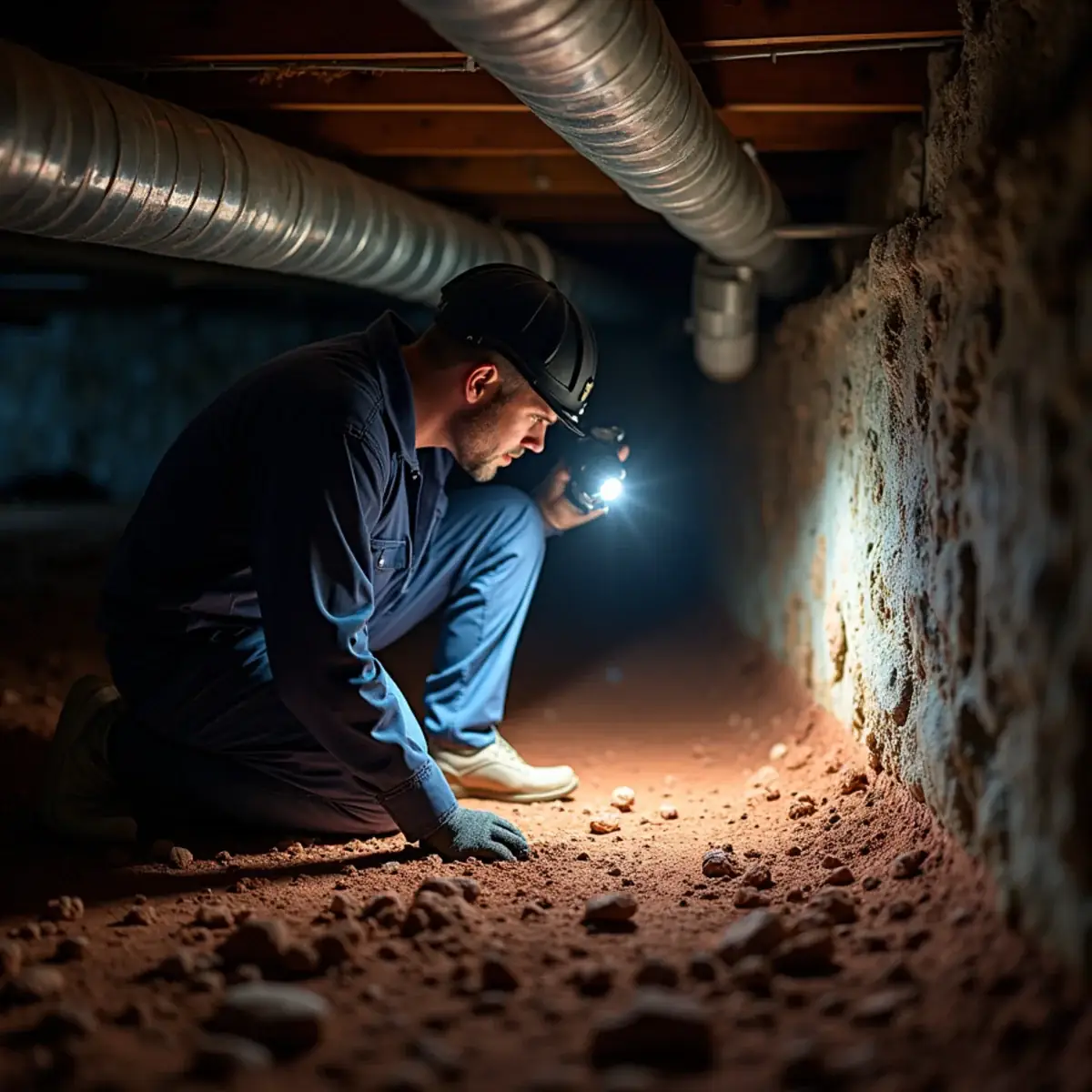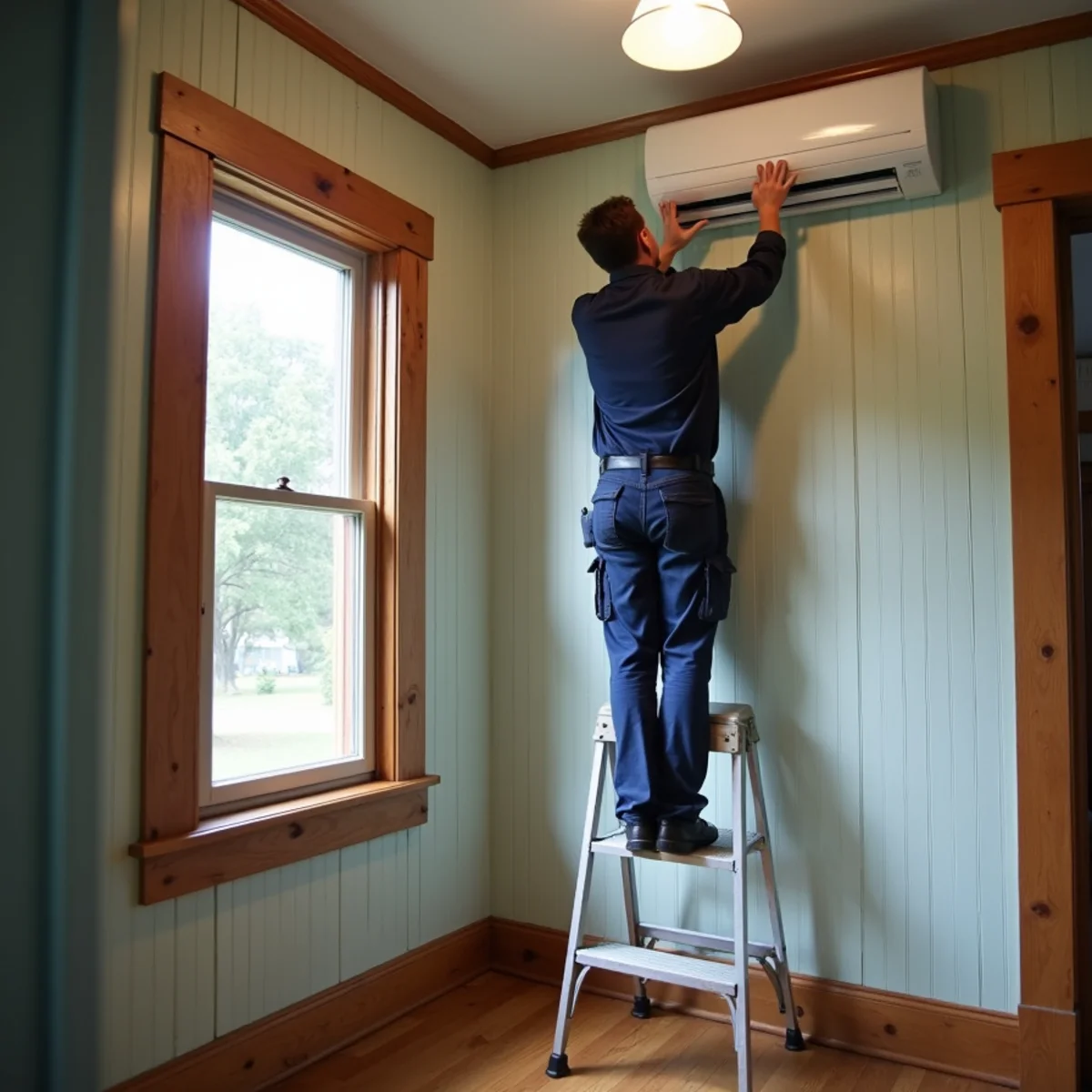
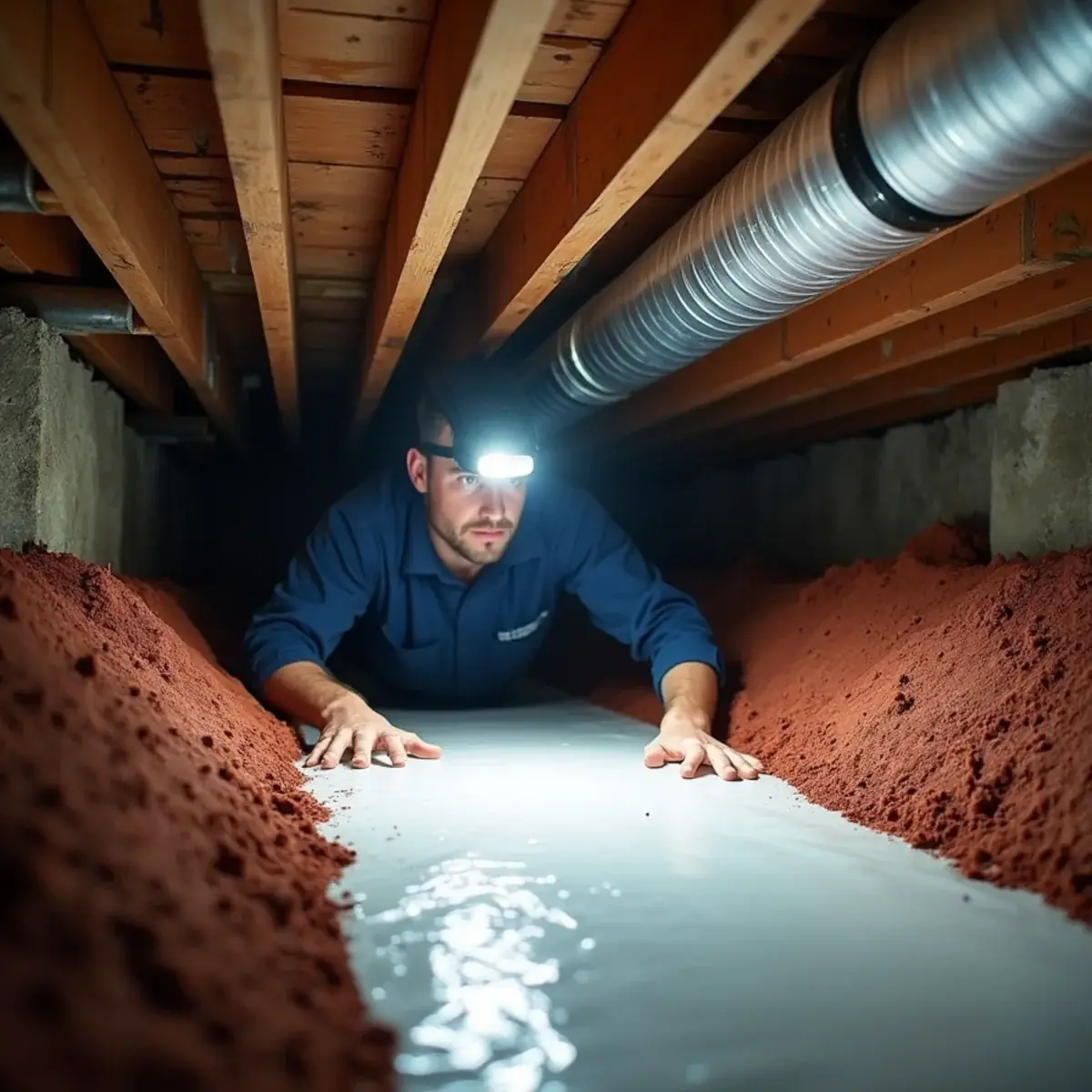
Ductwork installation in Burlington, NC is how we fix rooms that never get comfortable, crawlspaces full of sagging flex and new systems that underperform on old ducts. Jesse designs supply and return runs from a room-by-room load, installs them sealed, insulated and properly hung, then measures airflow to prove it works. Complete duct installation is one of our specialties, and the estimate is free and in writing.
Signs Your Ductwork Is the Problem
Ducts are out of sight, so they get blamed last. But many comfort complaints we see trace straight back to the duct system, not the equipment.
One or two rooms never get comfortable
Rooms at the end of long runs or over the garage are starved for air when ducts are undersized, crushed or poorly balanced.
Weak airflow even with a new system
A new air conditioner connected to old, leaky ducts can lose a big share of its output before it reaches a register.
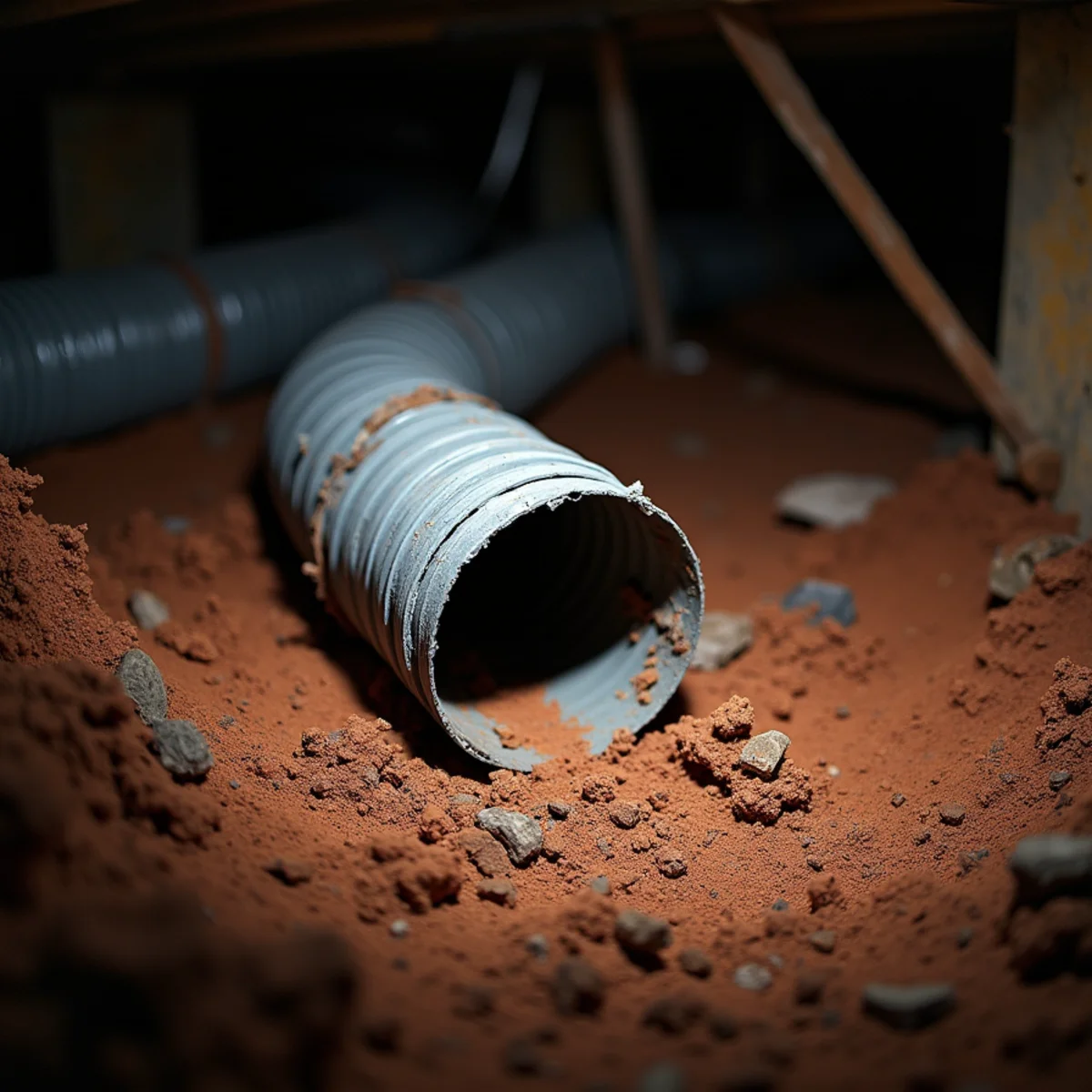
Ducts sagging or lying on the crawlspace floor
When hangers rot or straps break, flex ducts droop, kink and pull apart at the joints. Some end up blowing conditioned air straight into the crawlspace.
Dust and musty smells
Leaky return ducts in a crawlspace pull in damp, dusty air and spread it through the house.
Sweating ducts or wet insulation
In humid weather, cold ducts with damaged insulation form condensation that drips, rots wood and grows mold.
Whistling registers or doors that slam
Too little return air creates pressure imbalances you can hear and feel, and it strains the blower motor.
Complete Duct Installation Is What We Do Best
Any contractor can set a condenser. Building a duct system that actually delivers the right amount of air to every room takes more skill, and it's the part of HVAC work Jesse takes the most pride in. We design and install complete supply and return systems for existing homes, additions and light commercial spaces around Burlington.
A typical job we get looks like this: a homeowner has a failing system and, once we're in the crawlspace, the ducts are loose, disconnected in places and hanging down onto the vapor barrier. Replacing the equipment without fixing that would waste the investment. On jobs like that we pull out the old runs, install new trunk and branch lines, and set new equipment in one project, then clean up so the only sign we were there is a house that finally stays comfortable.
How We Design and Build a Duct System
Sizing the ducts, not just the equipment
Duct sizing follows the room-by-room load. A bedroom that needs 90 CFM shouldn't get the same run as a living room that needs 300. We size trunk lines and branches so air velocity stays quiet and each room gets its share, and we measure total external static pressure to confirm the blower isn't fighting the system.
Materials that hold up in crawlspaces
We use rigid sheet metal trunks where they make sense, with properly supported flex branches pulled tight rather than left in long loops. Every seam and collar is sealed with mastic, not just tape, and supply ducts in unconditioned space get R-8 insulation. Runs are hung on wide straps at close spacing so they won't sag again in a few years.
Return air, the overlooked half
Many older homes around Burlington have one small central return for the whole house. That starves the blower and pressurizes bedrooms whenever doors are closed. Adding returns or jumper ducts is often the single biggest comfort improvement we can make.
Seal, Repair or Replace?
Not every duct system needs to come out. Here's how we decide:
| Condition we find | Best approach |
|---|---|
| Sound ducts with leaky joints and collars | Seal with mastic and re-strap where needed |
| A few crushed or disconnected runs | Targeted repair of those branches |
| Ducts sized wrong for the house or new equipment | Redesign and replace affected trunks and branches |
| Widespread sagging, torn jackets and wet insulation | Complete duct replacement |
| Old duct board or asbestos-wrapped ducts | Replacement, with proper handling of old material |
Why Duct Condition Matters So Much Here
Most Alamance County homes run their ducts through vented crawlspaces, where summer air is hot and humid. Leaky returns pull that moisture into the system, and poorly insulated supplies sweat onto floor joists. If crawlspace moisture is a bigger issue in your home, our indoor air quality and crawlspace humidity service addresses it alongside the ducts.
Older mill houses in Glen Raven and Haw River, and early-1900s homes around downtown Graham, often have duct systems added decades after construction with little room to work. For houses where running ducts just isn't practical, a ductless mini-split can serve the hard-to-reach rooms. And when the equipment is due too, we handle ducts and a new HVAC system installation as one job.
Duct design in numbers: what airflow testing actually shows
The static pressure split tells us where the restriction lives
A total static reading tells us whether the blower is working too hard. Splitting that reading into supply side and return side tells us why. If most of the pressure sits on the return side, the house needs more or larger returns, or a filter with less resistance. If the supply side is high, trunks are undersized, dampers are pinched or flex branches are kinked. That split lets us fix many duct systems with a few targeted changes instead of replacing everything.
Flex duct, friction and equivalent length
Every elbow, takeoff and boot adds resistance, which duct designers express as equivalent feet of straight pipe. A short flex run with two tight bends can behave like one several times its length. Flex that is compressed or drooping between supports adds even more friction, which is why a correctly sized run can still starve a room. We use sheet metal fittings for sharp turns and keep branches as short as the layout allows.
Leakage, velocity and sweating
- Duct leakage testing pressurizes the system with a calibrated fan and reports how much air escapes, usually as CFM at 25 pascals. It turns a vague suspicion of leaky ducts into a number you can compare before and after.
- Air velocity drives noise. Branches pushing air too fast whistle at the register, while oversized trunks move air so slowly that it never reaches the far bedrooms.
- Crawlspace dew point matters as much as insulation value. On muggy Alamance County summer days, any gap in a supply duct's insulation jacket becomes a drip point on the joists below.
What's included in our ductwork installation
Whether we are adding a few runs or replacing the whole system, these are the pieces a duct job from us includes, so the quote you compare is apples to apples.
Room-by-room airflow targets
Each room is assigned a target CFM from the load calculation before any duct is sized. That number goes on the design, so you can see why the bonus room gets a larger run than the hall bath.
New boots, registers and return grilles
Register boots are sealed to the subfloor or ceiling drywall, not just set in the hole, and worn or undersized grilles are replaced so the air leaving each room is not whistling through a restricted opening.
Plenum and trunk connections fitted to the equipment
Supply and return plenums are built or refitted to match the air handler or furnace opening, with sealed transitions and a flexible connector where needed to keep blower vibration out of the duct system.
Before-and-after static pressure readings
We record total external static pressure and sample register airflow before we start and again at the end, so the improvement is measured rather than promised.
Old duct removal and haul-away
Torn flex, crumbling duct board and abandoned runs come out of the crawlspace or attic and leave with us. We do not bury old material under insulation or leave it lying on the ground.
Vapor barrier and insulation touch-up
If working in the crawlspace disturbs the plastic ground cover or attic insulation, we patch or reposition it before we leave, and we point out moisture problems worth addressing separately.
Our Ductwork Process
- 1
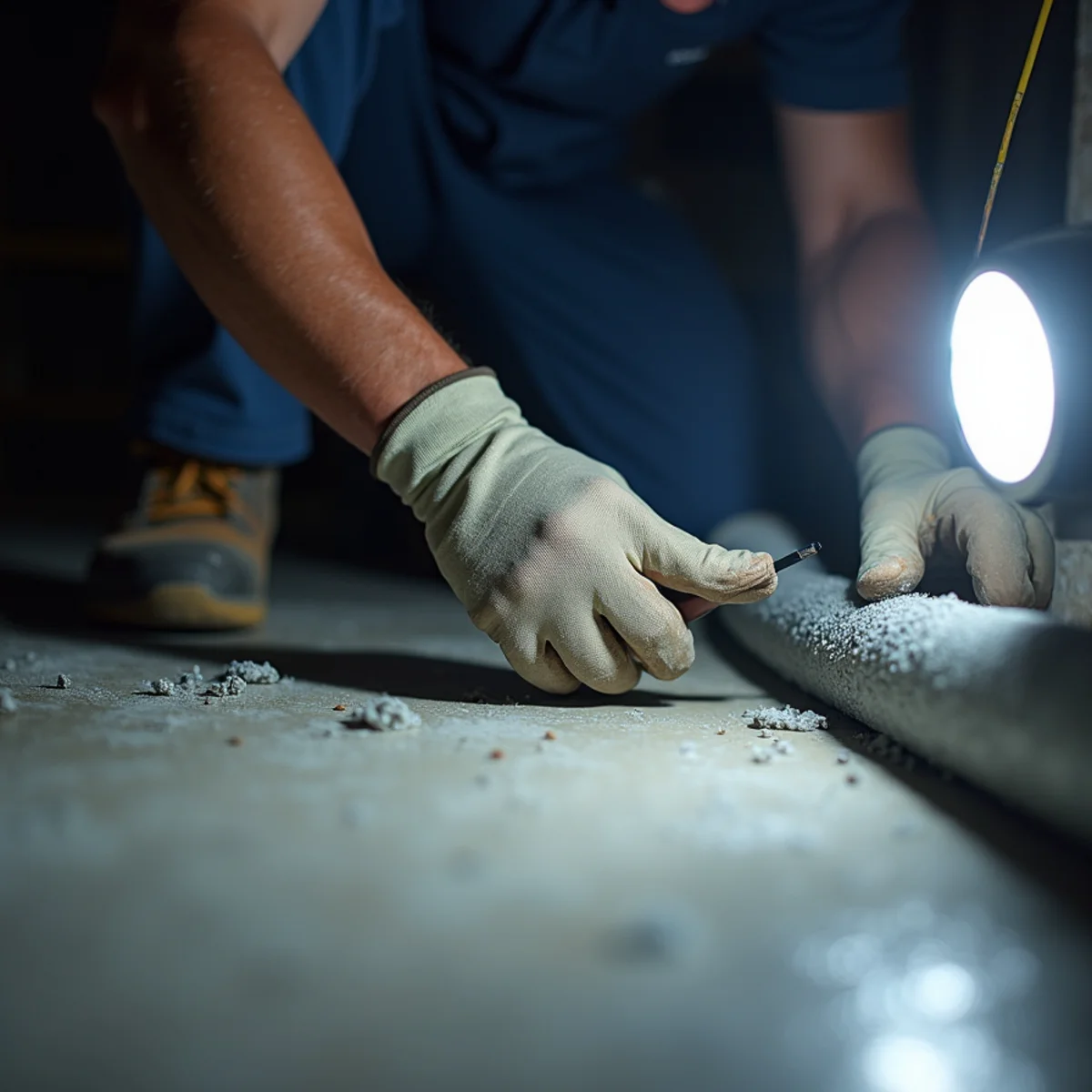
Crawlspace or attic inspection
We get under the house or into the attic, photograph what we find and show you the condition of every major run.
- 2
Airflow measurements
Static pressure and register airflow readings tell us whether the problem is leakage, sizing, restrictions or return air.
- 3
Design and written proposal
We lay out the new or repaired system and give you a written scope and price, including what stays and what comes out.
- 4
Installation
Old ducts are removed, new trunks and branches are hung, sealed and insulated, and registers are connected.
- 5
Balance and clean up
We adjust dampers, confirm airflow room by room and leave the crawlspace or attic clean.
Duct problems you can spot yourself vs. what needs a pro
Many duct problems can be found with nothing more than a flashlight and a hand held over the registers.
Safe for you to check
- Hold a hand or a tissue at each supply register with the blower running and note any room where airflow feels noticeably weaker than the rest.
- Close interior doors with the system running. If a door swings shut on its own or whistles at the gap, that room is short on return air.
- Check the filter slot and return grille for dust streaks around the edges, which show air sneaking past the filter through gaps in the frame.
- Shine a flashlight into the crawlspace from the access door and look for ducts lying on the ground, torn insulation or runs pulled loose from boots.
Leave to a licensed tech
- Sizing trunks and branch runsDuct sizes come from room loads, friction rate and equivalent length. Guessing produces rooms that stay starved and a blower that wears out early fighting high static pressure.
- Cutting in new return airReturns must be sized for the blower and kept away from combustion appliances. A return that pulls from a furnace closet can draw flue gases back into the house.
- Removing old asbestos duct wrapSome older homes have duct seams or insulation containing asbestos. Disturbing it releases fibers, so it needs to be identified and handled by a qualified abatement contractor.
- Measuring static and room airflowAccurate readings need a manometer, properly placed test ports and a flow hood or anemometer. Without numbers, duct changes are guesses that can make room balance worse.
What Affects Ductwork Cost
Duct projects range from sealing a few joints to building an entire system. These factors set the price.
- Scope of the work
- Sealing and re-strapping costs a fraction of a complete replacement. Partial replacement falls in between.
- House size and number of runs
- More rooms mean more branches, registers and labor.
- Access
- Low crawlspaces, tight attics and finished basements take longer to work in safely.
- Materials
- Sheet metal trunks, insulated flex, duct board and mastic all carry different costs.
- Return air additions
- Cutting in new returns, especially through finished walls, adds labor.
- Removal of old material
- Hauling out old duct is routine. Old asbestos-wrapped ducts need special handling.
You get a written scope and quote before any duct work starts, with photos of what we found. Financing options are available on larger duct and system replacement projects.
Red flags in ductwork bids and duct fixes
Duct work happens out of sight, so it pays to know what a shortcut looks like before you sign or before the crew packs up.
Cloth duct tape on seams and collars
Ordinary cloth-backed duct tape dries out and lets go in crawlspace heat and humidity. Joints should be fastened mechanically and sealed with mastic or listed foil tape. Ask what sealant will be used, and look at a few connections yourself once the job is finished.
Long snaking flex for the whole system
An all-flex system with long winding runs is fast to install and cheap to bid, but it adds friction and sags over time. Ask whether the trunks will be sheet metal, how branches will be supported, and what the longest flex run in the design will be.
Duct cleaning sold as a comfort fix
Cleaning won't seal leaks, enlarge undersized runs or add missing returns, and it rarely changes how a room feels. If a hot or weak room is your complaint and the quote is for cleaning, ask which airflow or static readings show that dirt is the actual problem.
New supplies but the same single return
A bid that replaces every supply run but keeps one small central return will recreate the same pressure problems. Ask how many returns the new design includes, where they will go and how their size was chosen compared with the blower's rated airflow.
Why choose Littlejohn HVAC Solutions for ductwork installation
Duct work done start to finish
Reviewers describe a system and ductwork replacement where the old ducts were loose and falling down, finished sooner than quoted and cleaned up completely. That is the kind of duct job we are known for.
Crawlspace know-how
Because we also install crawlspace vapor barriers, we understand how duct leakage and ground moisture work together, and we can address both instead of sending you to a second contractor.
Licensed and insured for the whole job
Jesse is a licensed NC HVAC professional and the company is insured, so duct changes tied to new equipment are done under the right permit and inspected properly.
Financing for larger projects
Whole-house duct replacement is a real investment. Financing options are available, and the free written estimate spells out exactly which runs are being replaced and which are staying.
Ductwork near you
We replace and extend ductwork all over the Burlington area. Older homes near campus in Elon and the mill-era houses around Altamahaw and Woodlawn often have ducts added long after construction, with little support and one undersized return. Newer builds in Mebane sometimes need runs added to finished bonus rooms, and historic homes around Hillsborough call for careful routing through tight framing. Every job gets the same design and airflow testing.
We provide ductwork installation & repair throughout Burlington and Alamance County, including: