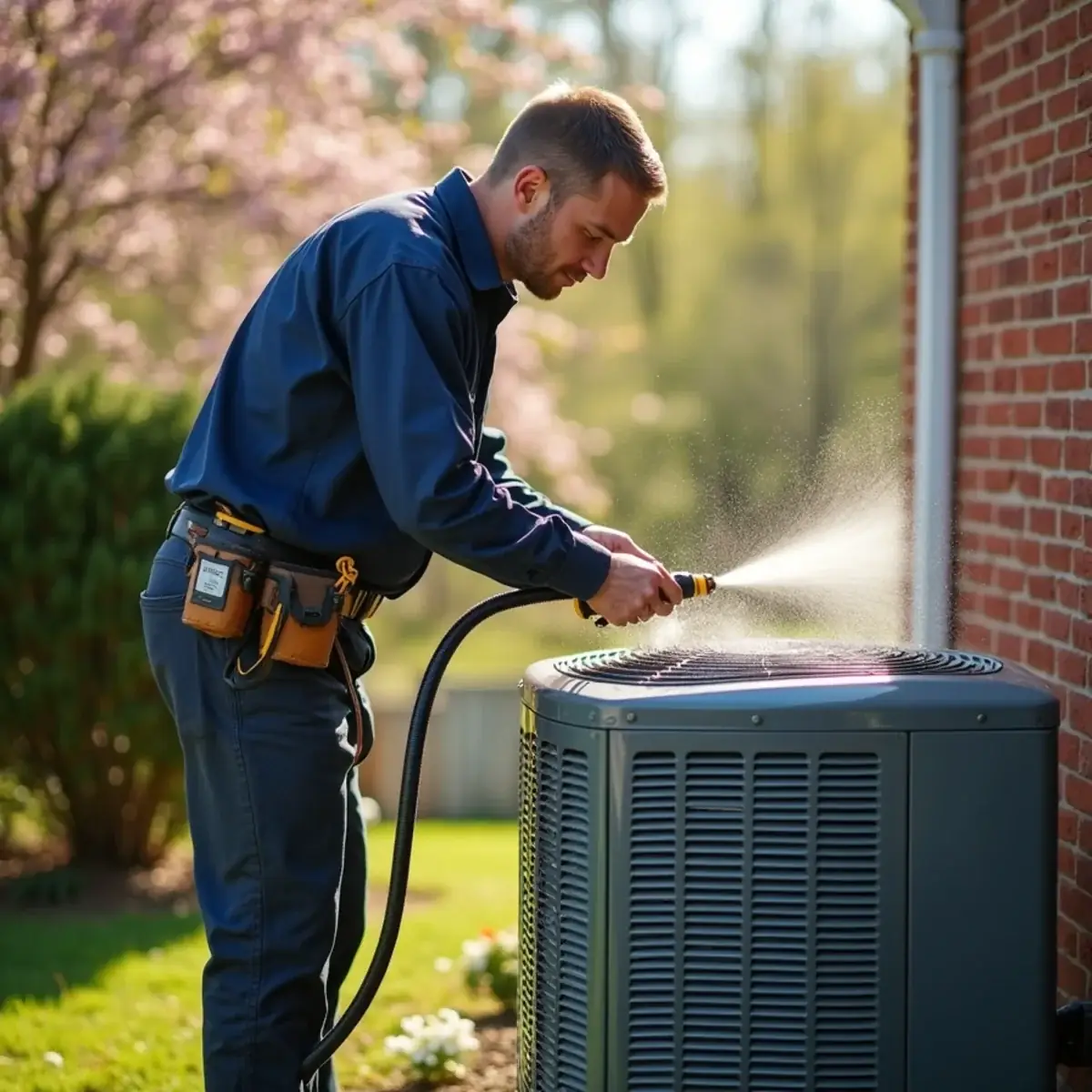
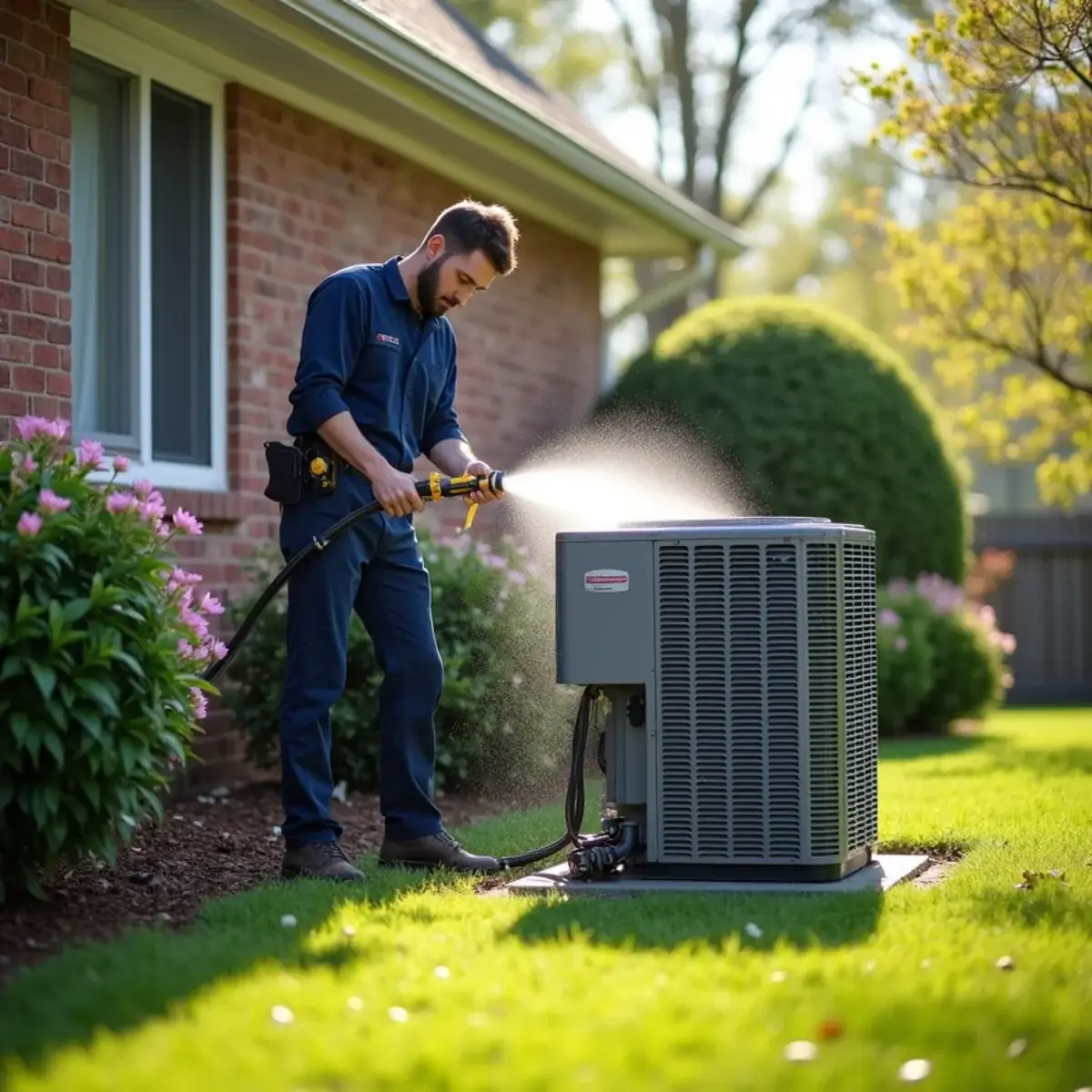
HVAC maintenance in Burlington, NC is a spring cooling tune-up and a fall heating tune-up that clean, test and measure your system before the season that stresses it most. Jesse records the readings each visit, so a part drifting toward failure gets caught while it is still an inexpensive fix. You see any repair price in writing, and nothing is replaced without your okay.
Signs Your System Is Overdue for Maintenance
If you can't remember the last tune-up, it's probably time. These are the clues that a system has been running on borrowed time.
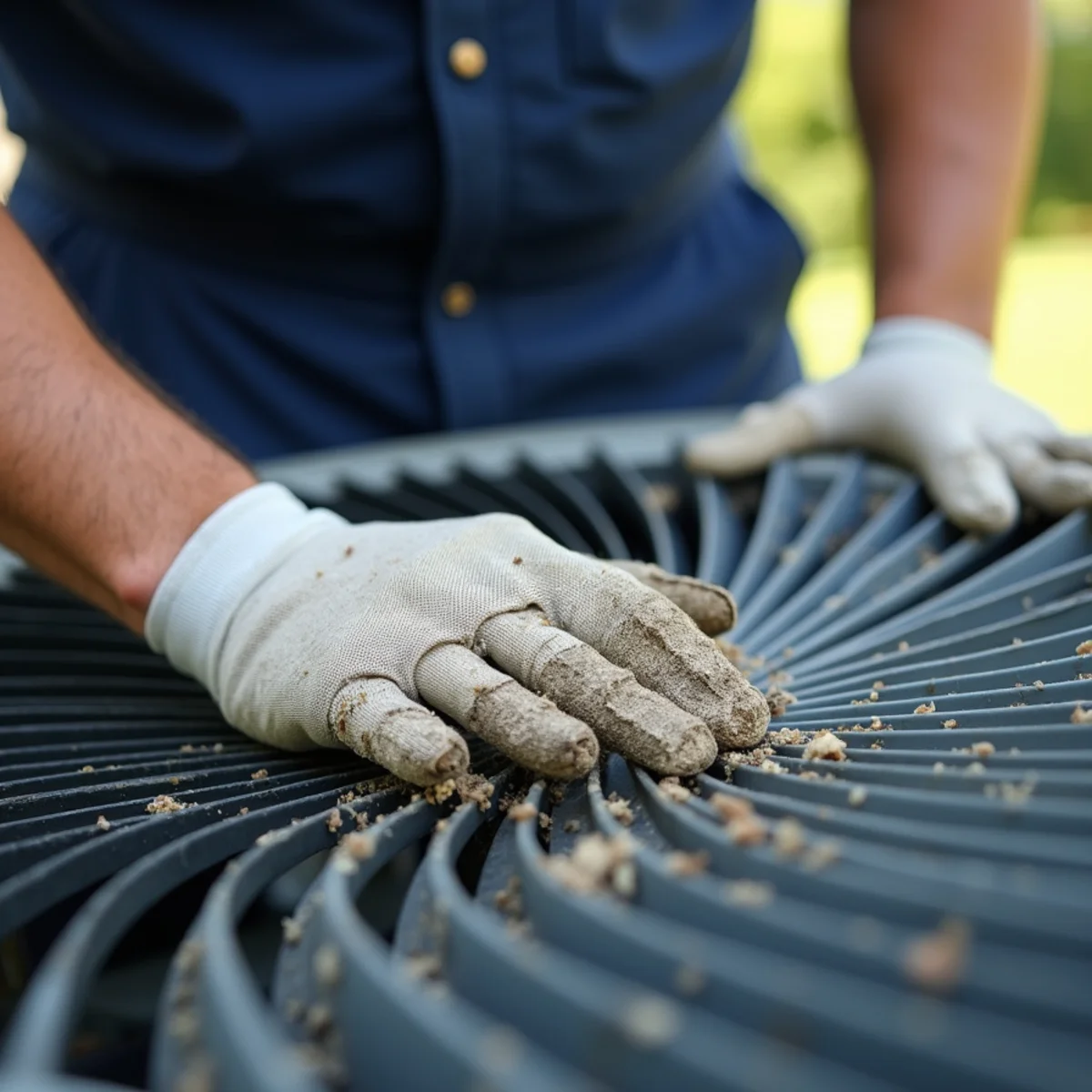
The outdoor coil looks fuzzy or matted
Grass clippings, pollen and dryer lint coat condenser fins and choke heat rejection. The unit runs hotter and longer to do the same job.
Musty smell when the AC starts
Biological growth on a wet indoor coil or in the drain pan is common in our humid summers and shows up first as an odor.
Burning dust smell with the first heat
Some is normal for a few minutes. A strong or lingering smell means dust has built up on burners or heat strips.
Slowly rising energy bills
Dirty coils, low airflow and weak capacitors each nibble at efficiency before anything fails outright.
Water in the drain pan or safety switch trips
A partially clogged condensate line gives warning before it overflows. It's one of the easiest problems to prevent.
Why Maintenance Pays Off in Burlington
Our climate asks a lot of HVAC equipment. The air conditioner or heat pump runs hard from May into October, pollen blankets outdoor coils every April, and the same system may be heating by Thanksgiving. Small problems like a capacitor drifting out of spec or a drain line slowly filling with algae don't announce themselves until the worst possible day.
A tune-up isn't a guarantee nothing will ever break. What it does is find the weak parts early, keep efficiency close to where it started and give you a chance to plan a repair instead of reacting to one.
What a Tune-Up Includes
| Spring cooling tune-up | Fall heating tune-up |
|---|---|
| Clean condenser coil and clear debris | Inspect burners, ignitor and flame sensor |
| Test capacitors against rated microfarads | Check heat exchanger and flue for cracks or leaks |
| Check refrigerant charge by superheat or subcooling | Verify gas pressure and temperature rise |
| Flush and test condensate drain and float switch | Test limit, rollout and pressure switches |
| Measure temperature split and blower amp draw | Test heat pump defrost and backup heat strips |
| Tighten electrical connections, inspect contactor | Check thermostat settings for the heating season |
Every visit includes a filter check and replacement if you have one on hand, a look at accessible ductwork and a written summary of anything that needs attention. We record readings like capacitor values and refrigerant pressures each time, so the next visit can spot a part that's slowly drifting before it fails. If we find a worn part, you'll get the price in writing and there's no pressure to fix it that day.
Timing Your Tune-Ups
Spring, before the heat arrives
The best window for cooling maintenance is March through May, after the worst of pollen season but before the first stretch of 90-degree days. Calls for broken air conditioners spike the first hot week of summer, and many of them are capacitors or drains a spring visit would have caught.
Fall, before the first cold snap
Heating maintenance fits best in September and October. Gas furnaces get a combustion safety check, and heat pumps get a defrost test, which matters more here than people expect since our winters swing between mild and freezing so often. It's also a good time to confirm your thermostat isn't set to lean on expensive backup heat.
Maintenance for Homes, Rentals and New Construction
Property owners with rentals around campus in Elon often book tune-ups in early summer, before tenants move in and every system in town is running flat out. Owners of newer homes in Mebane benefit from a first-year check to catch loose connections and charge issues from the original install. We also maintain plenty of systems in Gibsonville and across the county.
If we find a problem during a tune-up, we can handle the fix through our AC repair service or furnace and heating repair. And for homes where dust, allergies or humidity are the real complaint, we can look at indoor air quality upgrades during the same visit.
Reading the numbers: what a tune-up actually measures
A trend tells you more than a single reading
A run capacitor is stamped with a rating and a tolerance, usually around 5 or 6 percent. One that tests at 42 microfarads on a 45-rated part will still start the motor today. If it read 44 last spring, though, it's sliding downhill, and a string of 95-degree afternoons is likely to finish it. That's why we write the number down instead of just calling it good.
Amp draw works the same way. Every compressor and fan motor lists its rated load amps on the nameplate. A motor pulling close to that figure on a mild spring day is fighting something, whether that's a dirty coil, a dry bearing or low voltage from a loose lug.
Checking refrigerant charge without just topping it off
On a fixed-orifice system we judge charge by superheat, the number of degrees the refrigerant vapor has warmed past its boiling point by the time it leaves the indoor coil. Systems with an expansion valve are judged by subcooling at the outdoor unit instead. An out-of-range reading doesn't automatically mean refrigerant is missing, since a clogged filter or matted coil skews it just as easily. We correct airflow first, measure again, and only then talk about charge.
Static pressure and temperature rise
A manometer reading across the blower, called total external static pressure, shows how hard the fan is fighting the ductwork. Many residential air handlers are rated around half an inch of water column. Burlington homes with undersized returns or crushed flex duct in the crawlspace often read well above that, and it shortens blower motor life. On a gas furnace, temperature rise from return to supply has to land inside the range printed on the furnace label. Too high overheats the heat exchanger, and too low can let flue gases condense where they shouldn't.
What's included in our HVAC maintenance visit
Beyond the seasonal checklist, these are the extras that make a tune-up from us worth scheduling twice a year.
A readings log that stays with your system
Capacitor values, amp draws, refrigerant pressures and temperature split are written down every visit. Comparing this year's numbers against last year's is how we spot a slow refrigerant leak or a tiring motor.
Blower wheel and motor inspection
We look at the indoor blower wheel for caked dust, which quietly cuts airflow, check the motor mount and, on older motors with oil ports, add the right oil rather than guessing.
Filter sizing and fit check
We confirm the filter is the correct size, faces the right direction and actually seals in its rack. A filter with a gap around it lets dust coat the coil no matter how often it is changed.
Outdoor unit site check
The pad should be level, shrubs trimmed back and dryer vents not blowing lint into the coil. We point out anything around the unit that will make it work harder this season.
Thermostat and wiring check
We confirm the thermostat reads the room temperature accurately, the batteries are good and the low-voltage wiring at the air handler and condenser is secure and free of chewing damage.
Prioritized recommendations
Anything we find is ranked as needs attention now, watch next visit, or fine for now. That lets you budget for a repair instead of being surprised by it in July.
How a Tune-Up Visit Works
- 1
Book your visit
Call to schedule a spring or fall tune-up. We call ahead on the day so you know when to expect us.
- 2
Inspect and clean
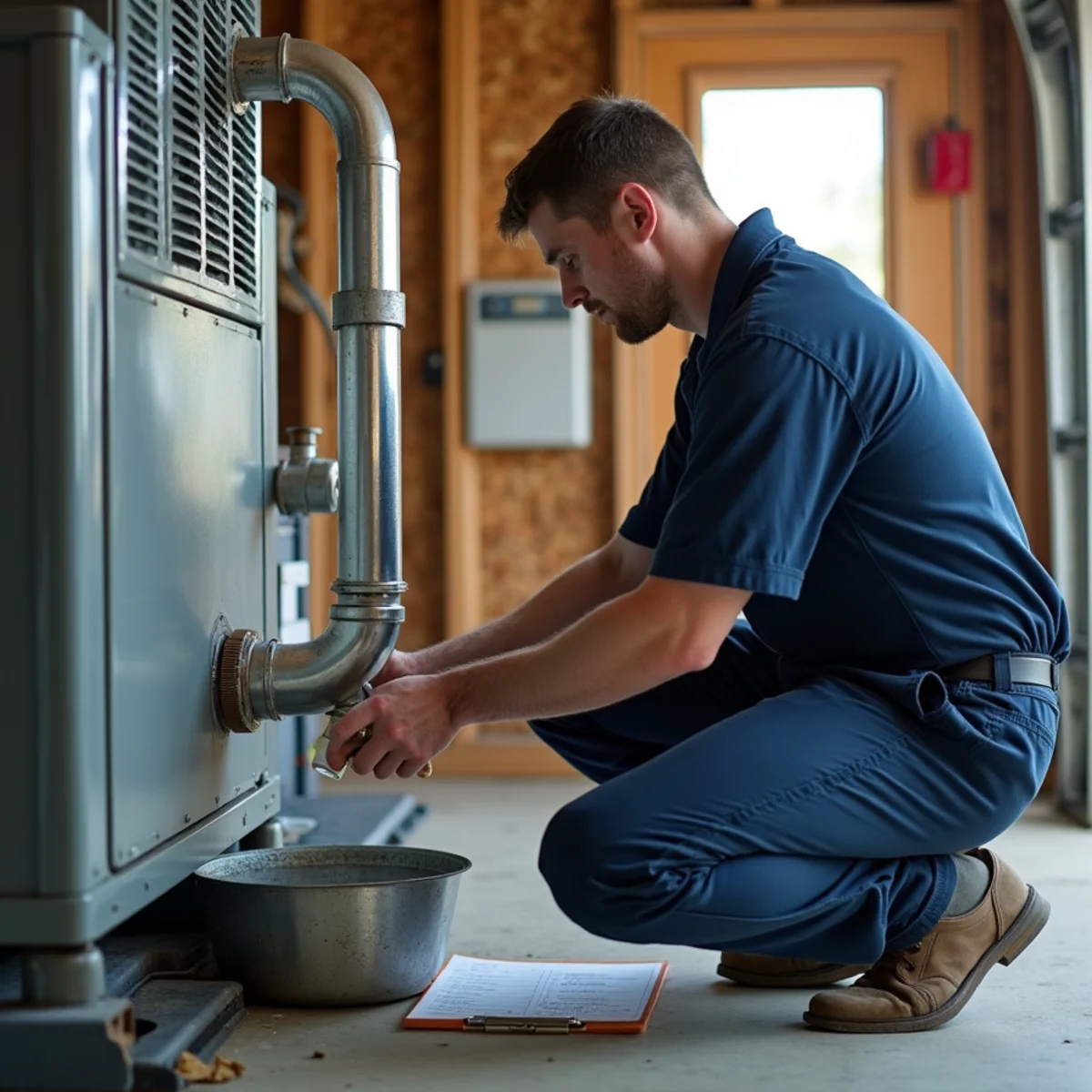
We clean coils, flush the drain line, check the filter and go over the outdoor and indoor equipment.
- 3
Test and measure
Electrical readings, refrigerant performance, airflow and safety controls are tested and recorded.
- 4
Walk through the results
We show you what we found, explain anything that's wearing and give you a written summary with prices for any recommended repairs.
What you can check yourself vs. what needs a pro
A lot of the upkeep between visits is homeowner work, while anything involving high voltage, refrigerant or combustion is not.
Safe for you to check
- Write the install date on the edge of each new filter with a marker and set a phone reminder, so pollen season doesn't slip past you.
- Pour a cup of plain white vinegar into the condensate line's cleanout tee in early summer to slow the algae that clogs drains in humid months.
- Pull weeds, leaves and cottonwood fluff from the base of the outdoor unit each month, and trim back anything growing toward the fins.
- Keep every supply register open and furniture off the return grilles, since closing vents in spare rooms raises duct pressure instead of saving energy.
- Test your carbon monoxide alarms when the clocks change each spring and fall, because a tune-up can't keep watch over the furnace all winter.
Leave to a licensed tech
- Testing capacitors and contactorsBoth live in the same compartment as 240-volt terminals, and a capacitor can hold a painful charge even after the breaker has been switched off.
- Checking or adjusting refrigerant chargeConnecting gauges legally requires EPA Section 608 certification, and adding refrigerant without finding out why it's low only hides a leak for another season.
- Combustion and heat exchanger inspectionJudging flame pattern, draft and cracks takes training and instruments. A missed crack or venting fault can put carbon monoxide into the living space.
- Deep cleaning the indoor evaporator coilThe coil sits behind sealed panels, and harsh cleaners or bent fins can cause leaks or choke airflow worse than the dirt ever did.
- Measuring static and gas pressureBoth call for a manometer and knowledge of the equipment's rated ranges, and adjusting gas pressure is regulated work under the North Carolina fuel gas code.
What Affects Maintenance Cost
Tune-up pricing is straightforward, but a few things change the scope of the visit.
- Number of systems
- Homes with separate upstairs and downstairs systems need each one serviced.
- Type of equipment
- A gas furnace with a separate AC has more to inspect than a single heat pump, and dual fuel systems cover both.
- Condition of the coils
- A heavily fouled indoor coil may need a separate deep cleaning beyond the standard rinse.
- Parts found worn
- Replacing a weak capacitor or contactor is quoted separately, and you decide whether to do it.
- Access
- Equipment in cramped attics or crawlspaces takes more time to service thoroughly.
You'll know the price of the tune-up before we start, and any repair we recommend comes with a separate written price. Nothing gets replaced without your okay.
Red flags in HVAC tune-up offers and reports
Most tune-ups are honest work, but a few patterns show up often enough to be worth knowing before you book.
A tune-up report with no readings
If the report is a column of checked boxes with no microfarad values, amp draws, pressures or temperatures, there's no way to tell whether anything was actually measured. Ask for the numbers. A technician who took them will have no trouble sharing them with you.
Refrigerant added at every visit
A sealed system doesn't consume refrigerant the way a car burns gas. If someone tops it off every spring, there's a leak nobody is looking for, and you're paying over and over for the symptom. Ask whether a leak search was done and where the leak is.
A part condemned on looks alone
Capacitors and contactors really do wear out, but one declared bad by sight should raise a question. Ask to see the meter reading next to the rating printed on the label. An honest recommendation holds up just fine when you look at the numbers yourself.
Add-ons pushed as the real sale
A cheap maintenance visit sometimes exists to sell duct cleaning, UV lights or additives. Some homes do benefit from indoor air quality equipment, but the case should rest on a problem you actually have, like visible mold or constant dust, rather than a scripted pitch.
Pressure washing the outdoor coil
High-pressure water flattens aluminum fins and drives dirt deeper into the coil, which cuts heat rejection instead of restoring it. Coils should get a low-pressure rinse and, when needed, a proper coil cleaner. Rows of flattened fins afterward are a visible sign the job was done wrong.
Why choose Littlejohn HVAC Solutions for HVAC maintenance
No upsell on a tune-up
Our reviews point to fair pricing and a tech who does not push extras. A maintenance visit is for finding real problems, not for selling you a list of add-ons.
Homeowner tips built in
Jesse shows customers the simple things they can handle between visits, like checking the filter and keeping the drain line clear, so the system stays healthier all season.
We call ahead
You get a call when we are on the way, so a tune-up does not mean losing a whole day waiting at home for a service window.
The same tech every visit
Because the business is owner-operated, the person who sees your system in spring is the person who sees it again in fall and remembers what was starting to wear.
Maintenance near you
We maintain heating and cooling systems throughout Burlington and nearby communities. Established neighborhoods in Graham and Haw River have plenty of older equipment that benefits from careful yearly readings. Homes in Whitsett and the Village of Alamance often sit near open fields where spring pollen and summer grass clippings coat outdoor coils fast, and we also schedule tune-ups in Pleasant Garden. Spring slots fill quickly, so booking early is worth it.
We provide HVAC maintenance & tune-ups throughout Burlington and Alamance County, including: