Short answer: A gas furnace that won't ignite usually has a cracked hot surface igniter, a dirty flame sensor, a pressure switch that won't prove draft, or a gas supply problem. Check the thermostat, breaker, service switch, door panel and filter first. If it still locks out after two tries, shut it off and call a technician.
The thermostat calls for heat, you hear the furnace click on, the draft motor hums, and then nothing. No whoosh of burners, no warm air, and after a minute or two the whole thing shuts down and tries again. That cycle is one of the most common winter calls we run across Alamance and Guilford counties.
The good news is that a furnace that won't ignite is usually telling you something specific. Modern gas furnaces run through a fixed startup sequence, and each step has to pass a safety check before the next one begins. Figure out which step fails and you're most of the way to the fix.
Safety First: When to Stop and Get Out
Before any troubleshooting, a quick word on gas. If you smell rotten eggs or sulfur near the furnace, water heater, or anywhere in the house, don't flip switches, don't try to relight anything, and don't use your phone inside. Get everyone out, then call your gas utility or 911 from outside.
- No CO alarm? Put one on each level of the home and near the bedrooms this week.
- Gas odor: leave the house first, call from outside, and wait for the gas company to clear it.
- CO alarm sounding: get everyone out into fresh air and call 911. Headaches, dizziness, or nausea that ease when you leave the house are a red flag.
- Scorch marks, melted wiring, or a burner flame rolling out of the cabinet: shut the furnace off at the thermostat and the service switch, and leave it off until it's inspected.
How a Gas Furnace Lights Itself
Most furnaces installed in the last 25 years or so use electronic ignition instead of a standing pilot. The control board runs this sequence every time:
- The thermostat closes the heat call and the control board wakes up.
- The inducer (draft) motor starts to push air through the heat exchanger and out the flue.
- A pressure switch confirms the venting is clear.
- The hot surface igniter glows orange, or an intermittent pilot sparks.
- The gas valve opens and the burners light.
- A flame sensor proves there's a flame within a few seconds. If it can't, the board shuts the gas off.
- After a short delay, the blower comes on and sends warm air through the house.
Many control boards flash an LED code through the sight glass. Snap a photo of the blink pattern and the decoder label inside the door; it can save real time on the service call.
Common Reasons a Furnace Won't Ignite
1. A cracked or worn-out hot surface igniter
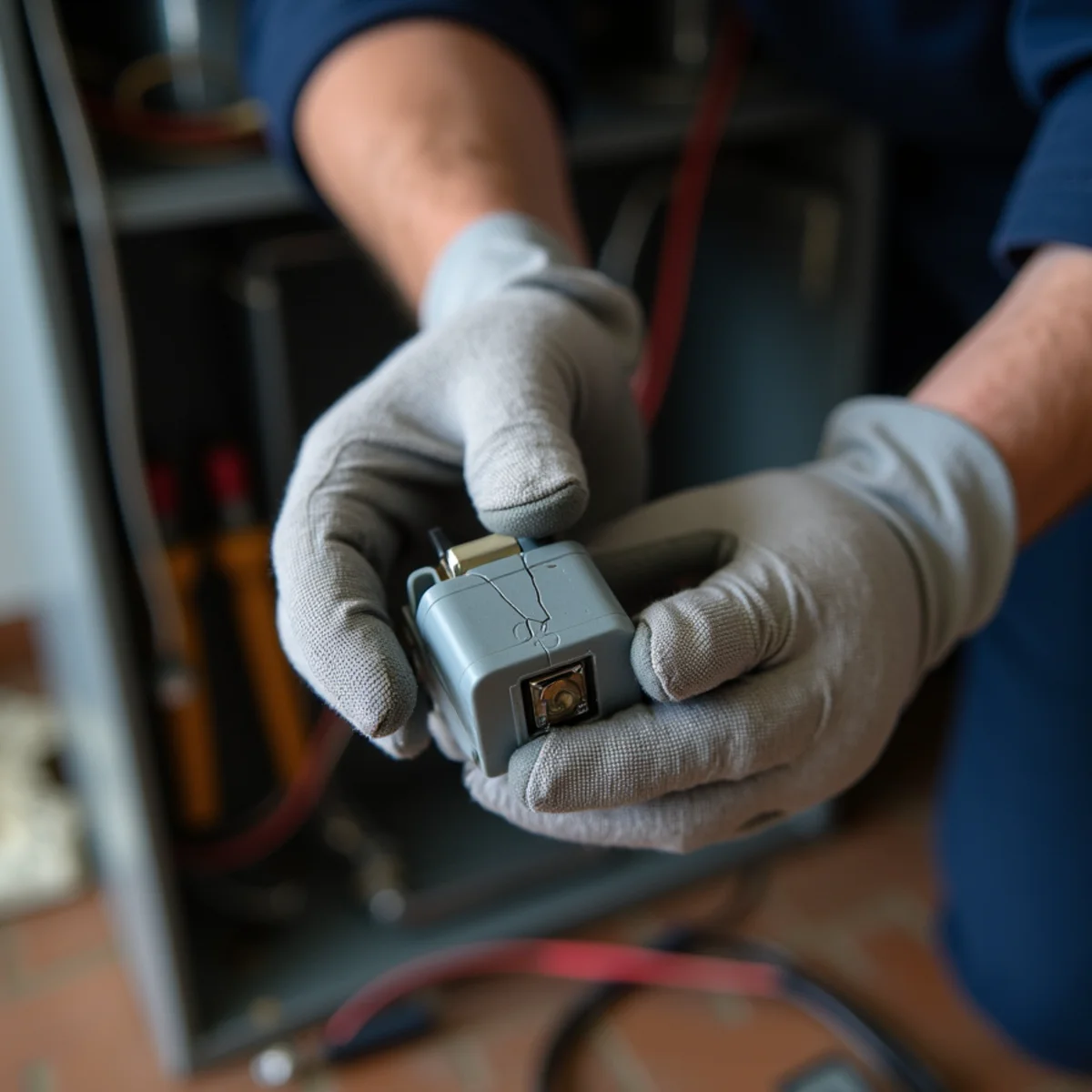
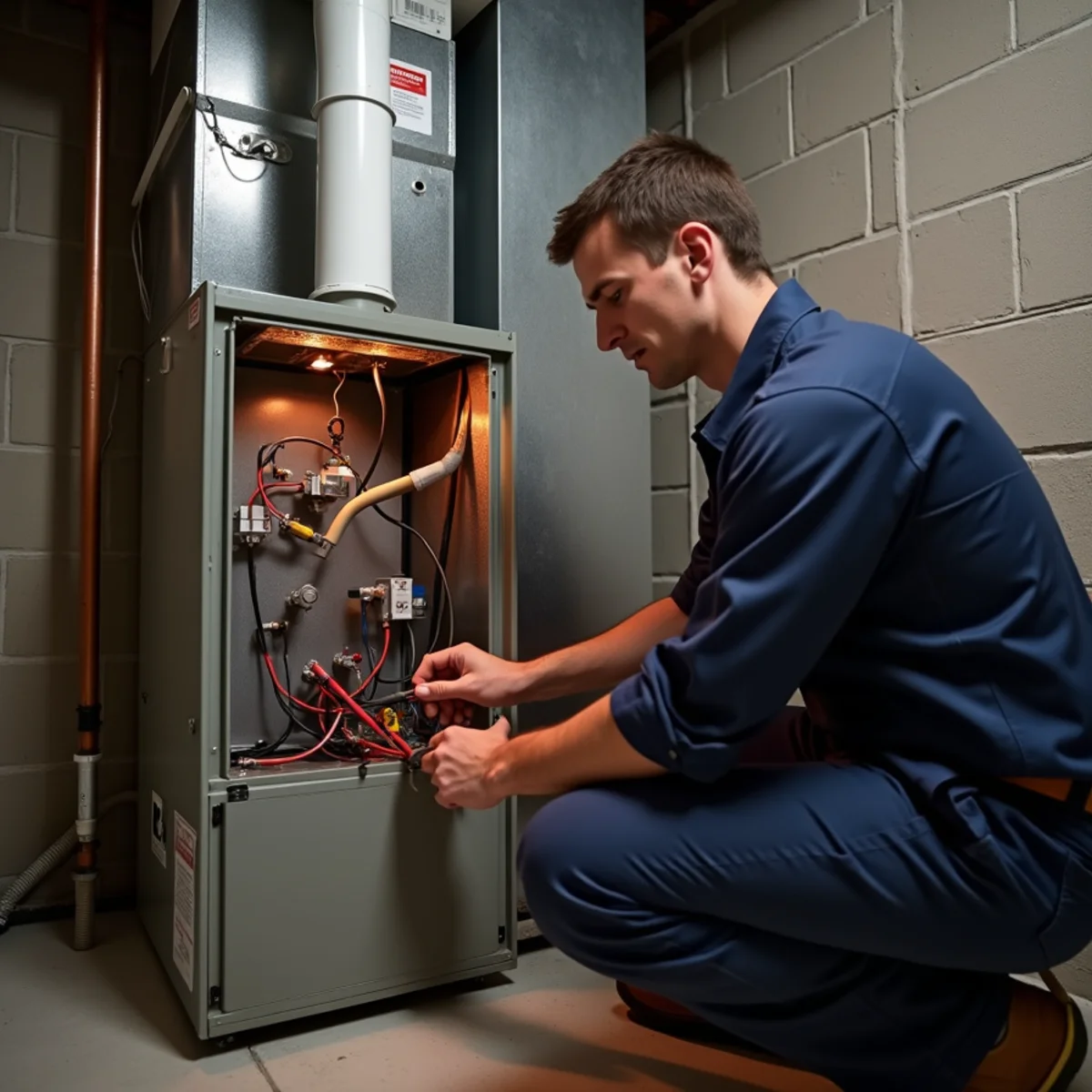
Igniters are made of silicon carbide or silicon nitride and they wear out. The older silicon carbide style is brittle enough that a hairline crack can stop it from glowing. If the inducer runs but you never see an orange glow through the sight glass, the igniter is a prime suspect. We test it for resistance with a meter rather than guessing.
2. A dirty flame sensor
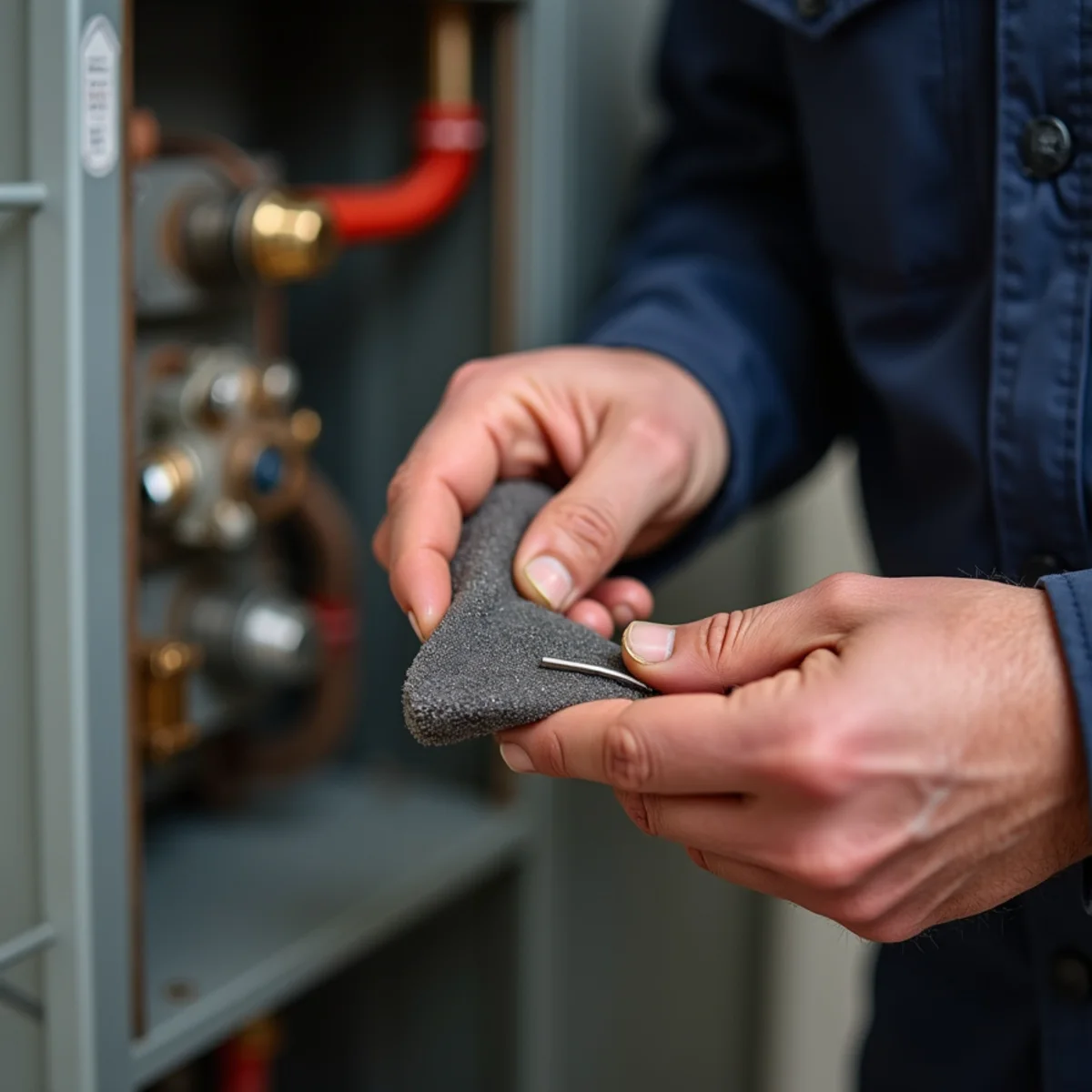
This is the classic one: the burners light for two or three seconds, then shut off. The flame sensor is a thin metal rod sitting in the flame, and over time it gets coated with oxidation. The board can't read a flame signal through that film, so it kills the gas as a precaution. Cleaning and checking the microamp signal is a quick repair, but it should be done with the power and gas off by someone who knows what the reading should be.
3. A pressure switch that won't close
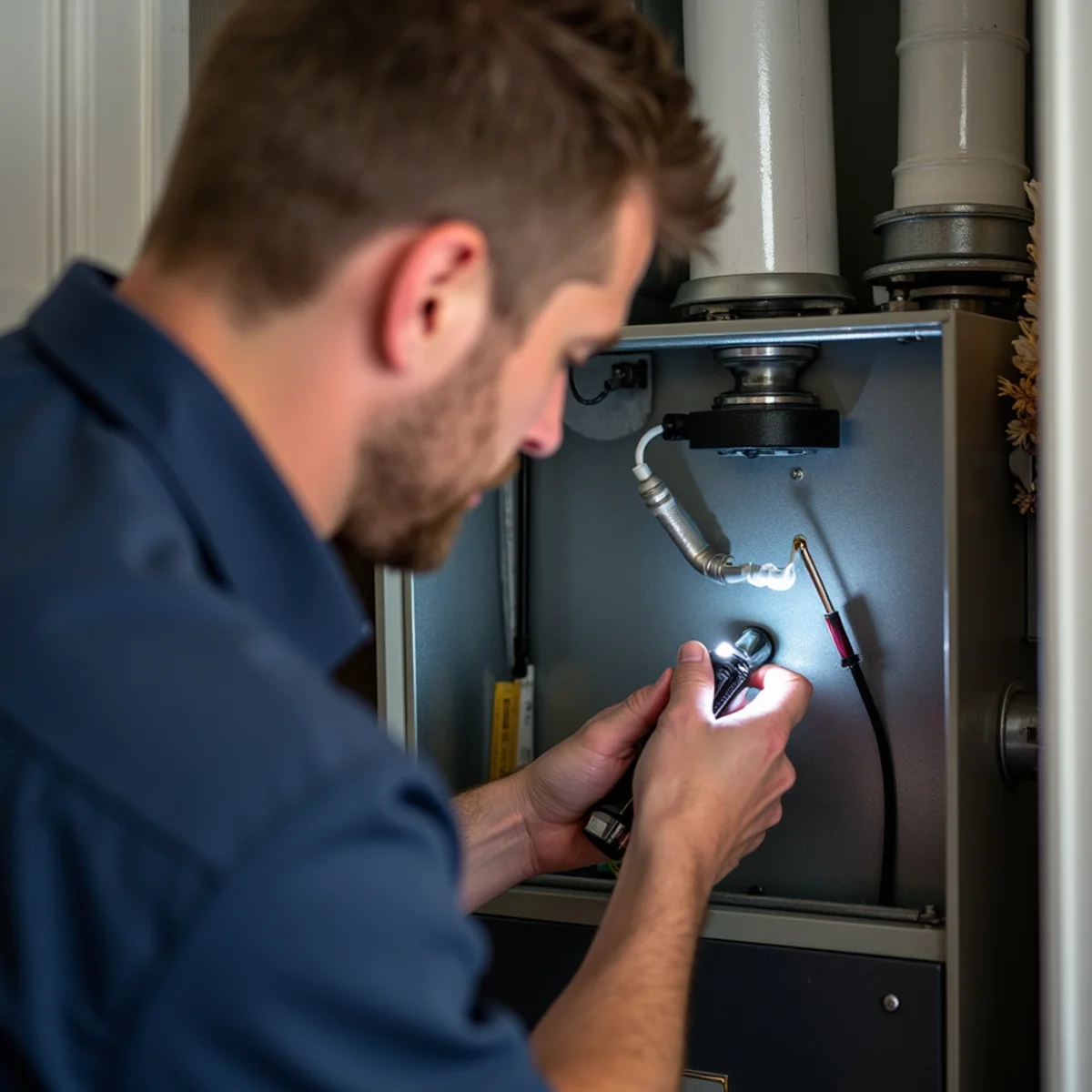
If the inducer runs but the igniter never glows, the pressure switch often hasn't proven draft. Causes include a cracked or water-filled hose, a blocked flue, a weak inducer, or a clogged condensate trap. On 90-plus furnaces with PVC venting, we see this after hard freezes or when leaves or a wasp nest block the pipe.
4. Gas supply problems
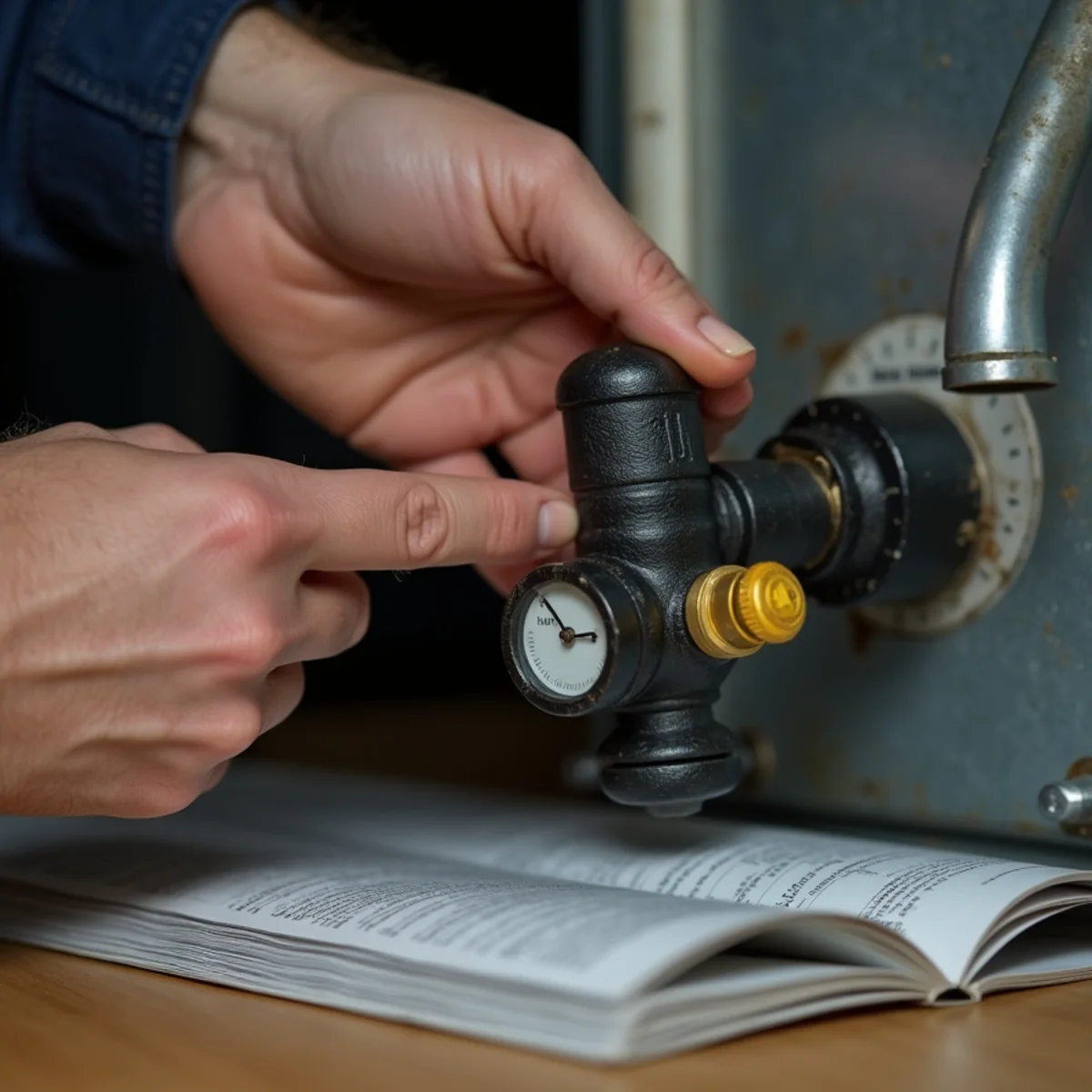
Sometimes the gas just isn't getting there. A bumped shutoff valve, a low propane tank, or a failing gas valve can all look like an ignition failure. Gas valve work is not a DIY job.
5. Control board, limit, or rollout switch faults
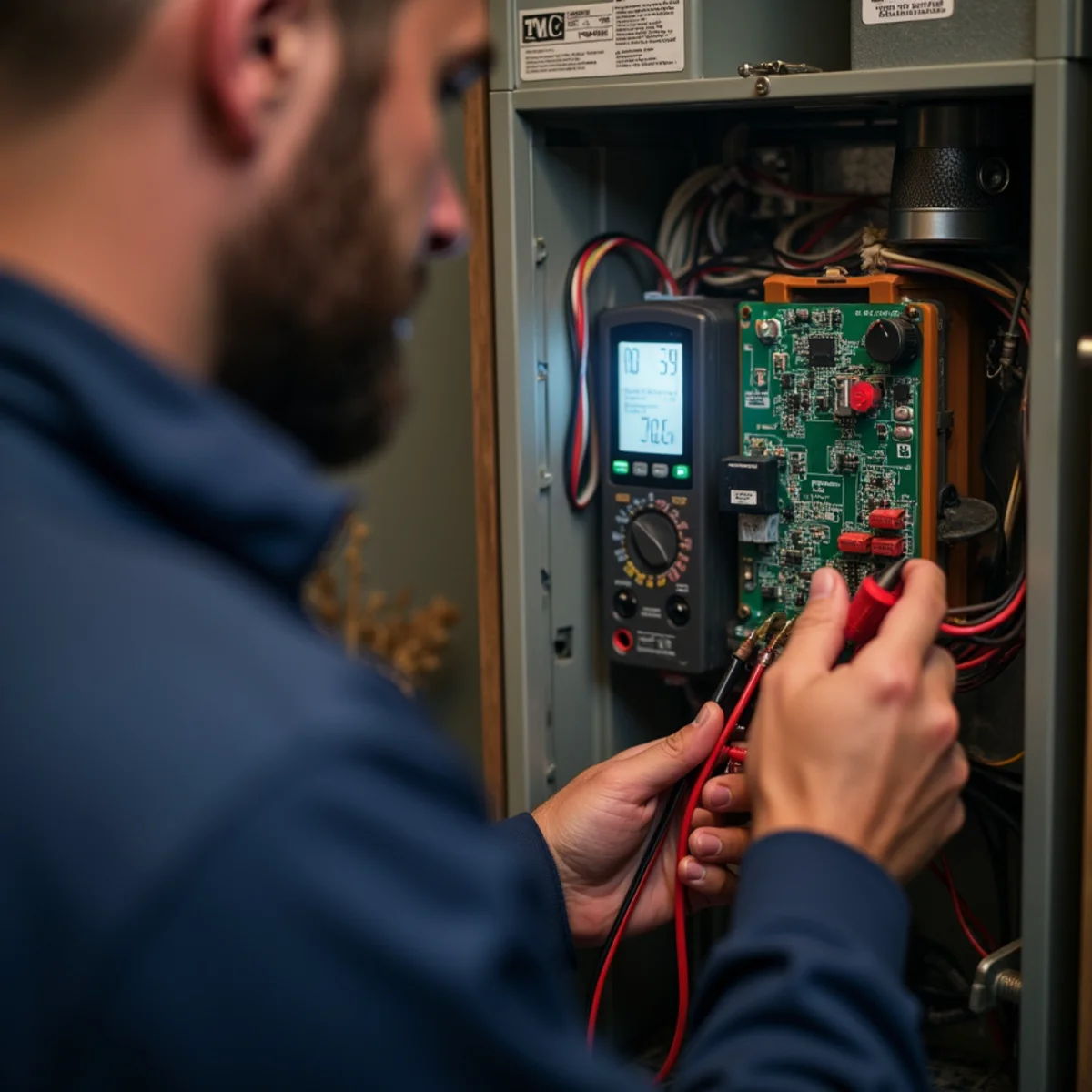
A tripped rollout switch means flame escaped where it shouldn't, which deserves an inspection, not just a reset. A tripping limit switch usually points to airflow, often a clogged filter. Boards fail too, especially after a surge, but a good tech rules out cheaper parts first.
| What you see | Most likely cause | Who should handle it |
|---|---|---|
| Inducer runs, no igniter glow | Pressure switch, hose, blocked vent, or bad igniter | Technician |
| Igniter glows, burners never light | Gas supply, gas valve, or control board | Technician |
| Burners light, shut off in seconds | Dirty flame sensor or poor ground | Technician |
| Nothing happens at all | Thermostat, tripped breaker, service switch, door switch | Homeowner can check |
| Short runs then shuts down hot | Clogged filter or restricted airflow tripping the limit | Homeowner can check filter |
What You Can Safely Check Yourself
- Set the thermostat to Heat and a few degrees above room temperature. Replace the batteries if it has them.
- Check the breaker and the light-switch-style service switch near the furnace. It gets flipped off by accident more than you'd think.
- Make sure the lower access panel is seated firmly. A door safety switch keeps the furnace off if it isn't.
- Pull the filter. If it's gray and matted, replace it.
- On a high-efficiency furnace, look at the two white PVC pipes outside for leaves, ice, or nests.
When It's Time to Call a Pro
If the simple checks don't bring the heat back, call for gas furnace repair in Burlington and surrounding towns. Jesse will walk through the ignition sequence with a meter, confirm gas pressure and venting, and tell you what failed and why before any work begins. You get written options, and there's no pressure to replace a furnace that just needs a part.
We cover the whole Triad side of our service area, including homes around furnace service in Greensboro, where plenty of older gas furnaces in established neighborhoods are due for an igniter or sensor at some point. If the house is cold and you have kids, older family members, or pets inside, our no-heat repair service gets priority on the schedule, and we call ahead when we're on the way.
One more thing: most ignition failures are preventable. A fall visit through our heating maintenance plan includes cleaning the flame sensor, testing the igniter, checking the condensate trap, and confirming the venting is clear before the first cold snap.
Furnace ignition: myths vs. facts
Myth: If the furnace clicks and hums, the igniter must be fine.
Fact: The click and hum usually come from the control relay and the inducer motor, which run before the igniter is ever energized. If the pressure switch never proves draft, the board won't send power to the igniter at all. A running inducer only tells you the first two steps worked, so the fault can sit anywhere after that.
Myth: Sanding the flame sensor with sandpaper is always the right fix.
Fact: Coarse sandpaper scratches the rod and leaves grooves that foul faster next time; a fine abrasive pad or steel wool is gentler. More important, a sensor that reads weak right after cleaning often has a different problem: a loose ground, a cracked insulator or reversed polarity. Cleaning without measuring the signal can hide the real cause until the next cold night.
Myth: A furnace that won't light is old and needs replacing.
Fact: Ignition failures are mostly small-part problems: an igniter, a sensor, a pressure switch hose or a clogged condensate trap. Age matters when the heat exchanger is cracked, parts are discontinued or repairs keep stacking up. A measured diagnosis tells you which situation you're in, and a single failed igniter rarely justifies a new furnace on its own.
Myth: Holding the reset button down will force the furnace to light.
Fact: Most furnaces don't have a reset that overrides safety checks. Cutting power at the service switch clears a lockout, but the board still runs every proving step on the next try. Forcing repeated attempts just sends more gas toward a burner that isn't lighting cleanly, which is exactly the condition the lockout exists to prevent.
No-ignite calls in Greensboro's older and newer neighborhoods
Across Greensboro, the age of the house changes where an ignition fault tends to start. We plan around that before we even open the cabinet.
- Historic districts near Fisher Park and College Hill: many gas furnaces in these foursquares still vent into brick chimneys built for coal. Crumbling mortar or a partial blockage can keep the pressure switch from proving, so we check the draft path before blaming the igniter.
- Mid-century ranches around Starmount Forest: furnaces tucked into crawlspaces and partial basements pull combustion air from damp spaces, and flame sensors there tend to foul sooner.
- Newer two-stories toward Lake Jeanette: high-efficiency furnaces with PVC venting are more likely to trip on a frozen condensate line or a nest in the intake after a hard cold snap.
Most of the city is 30 to 35 minutes from our base, with the east side off Wendover and US-70 reached quickest. If your heat is out, our Greensboro HVAC service page covers how we schedule there, and our emergency HVAC repair line is answered around the clock during a freeze.
From the field: what Jesse measures before replacing a part
The fastest way to waste money on a no-ignite call is to swap parts by guesswork. Jesse's meter readings decide the repair, and a few of them catch problems that a quick look never will.
- Flame sensor microamps. A clean rod should hold a steady signal in the range the board's manufacturer lists. If a freshly cleaned sensor still reads weak, the real culprit is often a loose ground, a cracked porcelain insulator, or reversed hot and neutral at the furnace.
- Igniter resistance. Silicon carbide and silicon nitride igniters read very differently on an ohmmeter, so the number only means something against the spec for that part.
- Gas pressure at the manifold. A manometer on the valve's test port confirms the burners are getting the pressure the furnace's rating plate calls for, which is different for natural gas and propane.
Why a sensor keeps fouling matters too. Laundry products, bleach and paint stored near a furnace put chlorine and other compounds into the combustion air, and they coat the sensor again within weeks. Moving the chemicals is part of the fix.
An honest trade-off: universal replacement igniters cost less and are easy to stock, but an exact-match part usually fits the bracket and gap properly and lasts longer. We carry common parts on the truck so most ignition repairs finish in one trip.
Get Your Furnace Lighting Again
A furnace that won't ignite is almost always a fixable, diagnosable problem, not a sign that the whole system is done. Check the basics, respect any gas or CO warning, and let a licensed tech handle the rest. When you're ready, schedule furnace repair with Littlejohn HVAC Solutions and we'll get the heat back on, usually the same day.
Frequently asked questions
Why does my furnace light and then shut off after a few seconds?
That pattern almost always points to the flame sensor. The burners light, but the control board can't confirm the flame, so it closes the gas valve for safety. Cleaning or replacing the sensor usually fixes it. A poor ground connection or low gas pressure can cause the same symptom, so it's worth having it tested rather than just scrubbed.
Can I replace a furnace igniter myself?
Some handy homeowners do, but we don't recommend it. Igniters are fragile, the wrong part can burn out quickly, and you still have to confirm the real cause was the igniter and not a pressure switch or control issue. If you work inside a gas appliance, the gas and power must be off and the repair must be tested properly afterward.
Is it dangerous if my furnace keeps trying to light?
Repeated failed ignition is more than an annoyance. Unburned gas can collect before a delayed light-off, and a tripped rollout switch can mean flame is escaping the burner area. If you smell gas at any point, leave the house and call your gas utility or 911 from outside. Otherwise, shut the furnace off and call for service.
Local service for this topic

Written by Littlejohn HVAC Solutions, LLC. Owner Jesse Littlejohn is a licensed HVAC professional serving Burlington and Alamance County. About us